Why Do iPhones Have Glass Backs? Main Reasons, Benefits, and Risks
Published: 9 Aug 2026
Have you ever wondered why iPhones have glass backs even though glass can crack after a drop? It may seem like a strange choice for a premium smartphone, but there’s a good reason behind it.
Glass allows wireless charging to work through the back of the phone and also supports MagSafe accessories, while giving Apple more flexibility with colors and finishes.
In this guide, we’ll explore the main reasons why Apple uses glass backs, when Apple first introduced them, their benefits and limitations, and whether glass is better than metal or plastic.
Main Reasons Why iPhones Have Glass Backs
Modern iPhones use glass backs for both technical and design reasons. The first is wireless charging technology, while the second involves MagSafe, finishes, luxury design, and flexibility of phone frames.
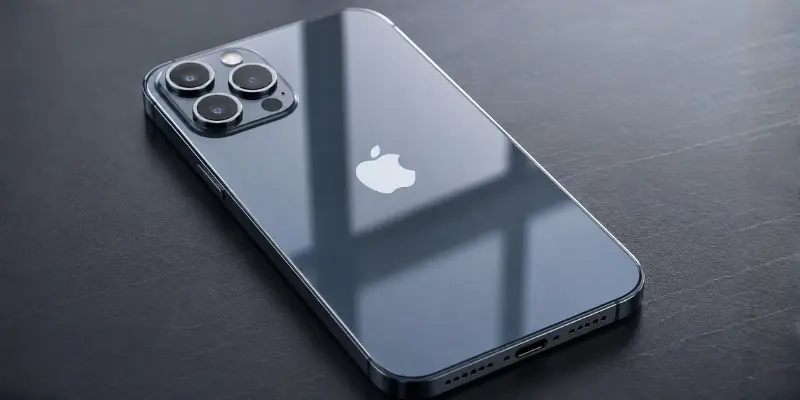
Below are the main reasons why Apple continues to use glass-based materials on the back of its iPhones.
1. Glass Allows Wireless Charging
Probably the primary reason why iPhones have glass backs is wireless charging.
Wireless charging works through electromagnetic induction. A charging pad creates an electromagnetic field, which is picked up by a coil inside the iPhone and converted into electrical energy.
A non-metallic material such as glass allows electromagnetic energy to reach the charging coil more easily than a solid metal back. Apple introduced wireless charging with the iPhone 8, iPhone 8 Plus, and iPhone X in 2017, moving away from the aluminum backs used on earlier models such as the iPhone 7.
This change allowed Apple to support Qi wireless charging through the rear of the phone without needing a separate external charging panel.
2. A Metal Back Can Interfere With Wireless Charging
A solid metal back can interfere with inductive wireless charging because conductive metal can interact with the electromagnetic field, causing energy loss and unwanted heating.
Wireless charging systems also use foreign object detection to help identify metal objects, such as coins, that could heat up during charging. However, this does not mean an iPhone cannot contain metal. Apple uses materials such as aluminum, stainless steel, and titanium in its frames and other components.
A non-metallic back is better suited for wireless charging because it allows electromagnetic energy to reach the internal coil more effectively. Glass works well for this purpose while also giving the iPhone a smooth and premium finish.
3. Glass Supports MagSafe Charging
Apple introduced MagSafe for iPhone with the iPhone 12 family. It combines wireless charging with a ring of magnets built into the back of the phone, helping compatible chargers and accessories attach securely and align with the charging coil.
The glass back allows the wireless charging system to work through the rear of the phone, while the magnets remain inside the device rather than being exposed.
MagSafe also supports a range of compatible accessories, including:
- Wireless chargers
- Phone cases
- Wallets
- Battery packs
- Car mounts
- Stands
- Grips
This makes the glass back an important part of Apple’s wireless charging and magnetic accessory system.
4. Glass Provides a Premium Appearance
Apple also uses glass because it can create a smooth and high-quality appearance.
Glass can reflect light differently from aluminum or plastic. It can also be polished, textured, frosted, or given a matte finish.
Different iPhone models have used:
- Glossy glass backs
- Textured matte glass
- Color-infused glass
- Glass with contoured edges
- Ceramic Shield rear surfaces on newer models
In addition, the iPhone 15 and iPhone 15 Plus have seen the introduction of color-infused back glass featuring a matte finish. This color is not merely a surface coating but is infused in the material itself.
5. Glass Works With Different Frame Materials
The back panel and the phone frame do not need to use the same material.
Apple has combined glass-based rear panels with:
- Aluminum frames
- Stainless steel frames
- Titanium frames
For example, the iPhone 12 used a glass back with an aluminum design, while the iPhone 14 Pro used textured matte glass with a stainless steel frame.
This gives Apple flexibility when designing different iPhone models. The frame can provide structure and impact resistance, while the rear panel supports wireless charging, color, texture, and MagSafe.
It also allows standard and Pro models to use different frame materials without removing wireless charging support.
6. Glass Can Be Treated for Better Durability
A glass back can break, but smartphone glass is not the same as basic household glass.
Glass durability can be improved through chemical treatments, coatings, and manufacturing processes.According to Apple, in the iPhone 15, the back glass is made through a two-step ion-exchange procedure that aims to increase its durability.
Apple has also changed its rear materials over time. The standard iPhone 17 uses color-infused back glass, while the iPhone Air and iPhone 17 Pro models use Ceramic Shield on the back.
Apple says these newer Ceramic Shield rear surfaces provide greater crack resistance than the back glass on previous models.
However, greater crack resistance does not mean the back is unbreakable. A hard drop, sharp impact, bent frame, or pressure on one point can still damage it.
Advantages of an iPhone Glass Back
An iPhone glass back offers several benefits beyond its appearance. Here are the main advantages of iphone glass:
|
Disadvantages of an iPhone Glass Back
An iPhone glass back also has some drawbacks. Here are the main disadvantages:
|
When Did Apple Start Using Glass Backs?
The iPhone 4, introduced in 2010, was one of the first iPhones with glass on both the front and back. Apple described it as a glass-and-stainless-steel design.
Apple later moved to mostly metal rear designs on models such as the iPhone 5, 6, and 7.
Glass returned as a major design feature with the iPhone 8, iPhone 8 Plus, and iPhone X in 2017. This time, Apple directly connected the glass back with the introduction of Qi wireless charging.
Since then, most iPhone generations have continued using glass or another glass-based rear surface.
Why Does Apple Not Use a Plastic Back?
Plastic is another material that is non-metallic and is capable of being wirelessly charged. Most budget-friendly Android phones have plastic bodies due to this feature.
But iPhones from Apple are always aimed at a premium market segment. The glass body feels more sturdy and provides a variety of finish options like glossy, matte, textured, and color-infused finishes.
Plastic has its own advantages:
- It is less likely to shatter.
- It normally costs less.
- It can reduce phone weight.
- It may be cheaper to replace.
- It can support wireless charging.
However, plastic may scratch, bend, discolor, or feel less premium depending on its quality.
Why Can the Back Crack Even With a Phone Case?
A phone case can reduce the risk of damage, but it cannot prevent every type of impact.
The glass may still crack when:
- The phone lands on a hard corner.
- A small object is trapped inside the case.
- The frame bends during impact.
- Pressure is applied to one point.
- The case has weak corner protection.
- The camera area hits a hard surface.
- The phone experiences repeated drops.
A thick protective case with raised edges and reinforced corners usually offers more protection than a thin decorative case.
Can You Use an iPhone With Cracked Back Glass?
An iPhone may continue working with a cracked rear glass panel, but using it in this condition can have some risks.
Cracked glass can:
- Cut your hand
- Become loose
- Allow dust or moisture inside
- Cause the cracks to spread further
- Expose internal components
- Affect wireless charging if internal parts are damaged
- Reduce the phone’s water-resistance protection
Water resistance is not a permanent condition, and damage to the enclosure can reduce its effectiveness. A badly cracked rear panel should be inspected and repaired.
Do All iPhones Have Glass Backs?
No. Different generations have used different materials.
Examples include:
- iPhone 4 and 4s: Glass front and back
- iPhone 5, 6, and 7 families: Mostly metal rear designs
- iPhone 8 and newer wireless-charging models: Glass or glass-based rear surfaces
- Standard iPhone 17: Color-infused glass back
- iPhone Air and iPhone 17 Pro models: Ceramic Shield rear surfaces
Apple’s current materials vary by model, so it is better to check the technical specifications for the exact iPhone rather than assuming every iPhone uses the same rear material.
How to Protect an iPhone Glass Back
A few simple precautions can help protect your iPhone’s glass back from scratches, cracks, and other damage.
- Use a case with strong corner protection.
- Choose a case with raised edges around the cameras.
- Keep sand, dirt, and small objects out of the case.
- Avoid placing the phone on uneven or sharp surfaces.
- Replace a stretched, damaged, or loose case.
- Do not sit with the phone in a tight back pocket.
- Use a MagSafe-compatible case when charging magnetically.
- Have cracks inspected before they become worse.
A back-glass protector may reduce scratches, but it cannot guarantee protection from strong impacts.
Conclusion
So guys, in this article, we’ve covered the main reasons why iPhones use glass backs, along with their benefits and drawbacks. We learned that glass backs are not only used for a premium design but also help enable features like wireless charging and MagSafe.
Although glass can be more fragile than metal or plastic, its advantages make it a suitable choice for modern iPhones. My recommendation is to use a protective case to keep your device safe while enjoying its premium design.
If you found this article useful, explore more of our mobile phone guides for helpful tips and answers.
Frequently Asked Questions (FAQs)
Here are the answers to some common questions about why iPhones use glass backs:
iPhones use glass backs mainly because glass allows wireless charging to work properly. Metal can interfere with wireless charging signals, making it less suitable for this purpose. Glass also helps Apple create premium designs and finishes.
Yes, iPhone glass backs can crack if the phone is dropped or receives a strong impact. However, Apple uses specially treated glass to improve durability. Using a protective case can help reduce the risk of damage.
Yes, an iPhone with a glass back offers useful features like wireless charging, MagSafe support, and a premium design. Although it requires extra care, many users prefer its combination of style and functionality. Choosing proper protection can help you enjoy the benefits without worrying too much about damage.
Glass and plastic both have their own advantages. Glass offers a more premium feel, better design options, and supports features like wireless charging. Plastic is more durable and less likely to crack, but it may not feel as premium as glass.
Yes, iPhone back glass can be repaired or replaced if it gets cracked or damaged. The repair process requires proper tools and expertise because the rear glass is attached securely to the phone. It is recommended to get it repaired by a trusted service provider to avoid further damage.



- Be Respectful
- Stay Relevant
- Stay Positive
- True Feedback
- Encourage Discussion
- Avoid Spamming
- No Fake News
- Don't Copy-Paste
- No Personal Attacks
- Be Respectful
- Stay Relevant
- Stay Positive
- True Feedback
- Encourage Discussion
- Avoid Spamming
- No Fake News
- Don't Copy-Paste
- No Personal Attacks
