Types of Mobile Phones: 10 Categories Explained (2026)
Published: 2 Sep 2026
If you’ve tried to buy a new phone and felt overwhelmed by all the options, you’re not alone. With so many different types of mobile phones available today, picking the right one can feel like a full-time research project.
But the good news? Once you understand the main categories (from basic keypad phones to satellite devices), choosing the right device becomes a lot easier.
In this guide, we’ll explore all 10 major types, breaking down their key features, ideal users, and what makes each one stand out — so by the end, you’ll know exactly which phone fits your life best.
Different Types of Mobile Phones
Mobile phones today aren’t a one-size-fits-all product — they come in several distinct categories, each built for a different kind of user and use case. Here’s a quick look at the 10 main mobile phone types before we get into the details:
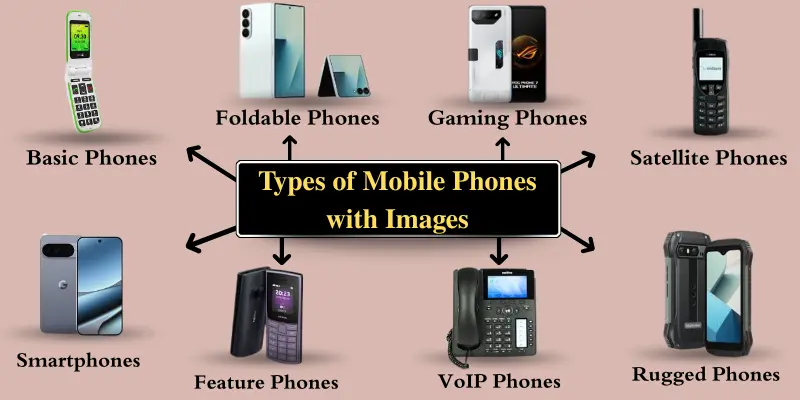
- Smartphones
- Feature Phones
- Basic/Keypad Phones
- Foldable Phones
- Rugged Phones
- Gaming Phones
- VoIP Phones
- Business Phones
- Satellite Phones
- Phablets
Now let’s discuss these in detail.
1. Smartphones
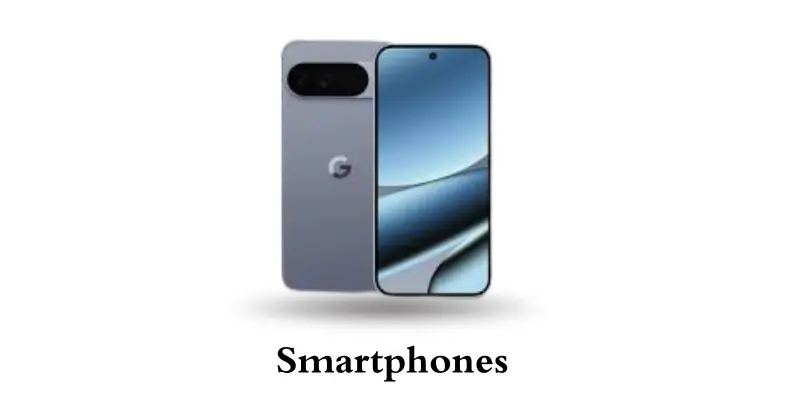
A smartphone is a mobile device that combines calling and texting with internet browsing, apps, and a high-quality camera — all controlled through a touchscreen. Unlike older phone types, it essentially works as a pocket-sized computer, running a full operating system that supports everything from social media to mobile banking. It’s the phone most of us are addicted to every day.
Key Features:
- Touchscreen interface
- Runs on Android, iOS, or similar systems
- App store access
- 4G/5G internet speeds
- Strong cameras and biometric locks
| Pros: |
|---|
|
| Cons: |
|---|
|
Ideal For: Basically everyone — students, professionals, parents, anyone who wants a single device that handles everything.
Smartphones also come in different price ranges— budget models for the basics, mid-range for better cameras and performance, and flagship for the best hardware at the highest price.
2. Feature Phones
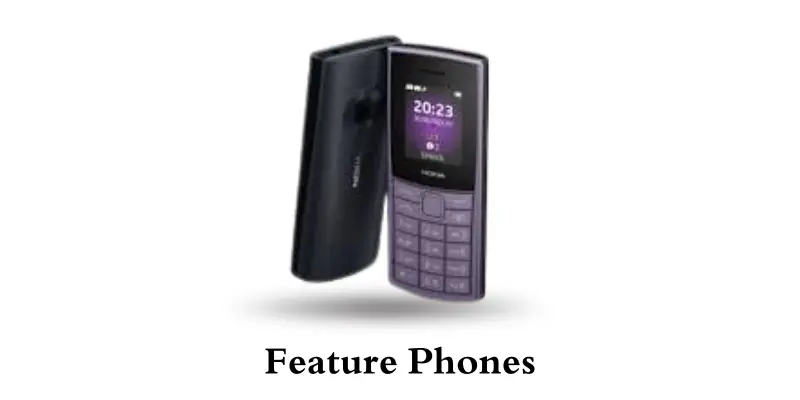
A feature phone sits between a basic phone and a smartphone. It handles calls, texts, and a few extras like FM radio or limited internet, but it can’t run modern apps or handle heavy multitasking. Many people keep one as a backup device since it’s cheap and the battery lasts for days.
Key Features:
- Physical keypad or simple touch
- Limited internet in some models
- A few basic apps like a calendar or FM radio
- Longer battery life than a smartphone
| Pros: |
|---|
|
| Cons: |
|---|
|
Ideal For: Anyone who wants something simple and reliable — often used as a backup phone, or in places where affordability matters more than a big feature list.
3. Basic/Keypad Phones
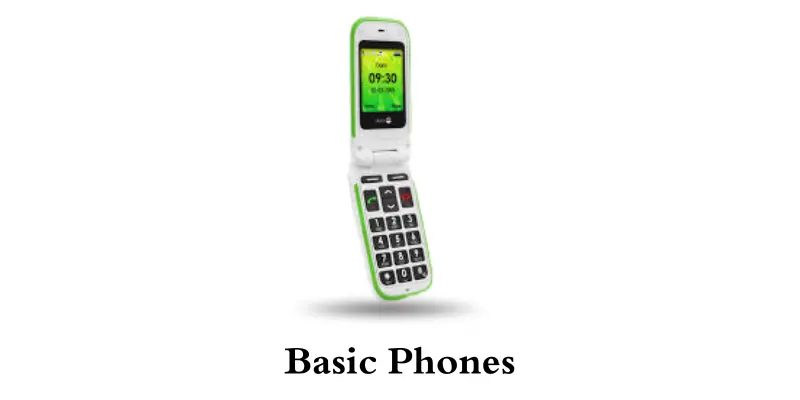
A basic or keypad phone is the simplest type of mobile phone — built only for calling and texting. It has no touchscreen, no app store, and usually no internet, just a physical keypad and a small display. This simplicity is exactly why it appeals to people who want a distraction-free device.
Key Features:
- Physical numerical keypad
- Very limited or no internet access
- Battery that can last for days
- Tough, hard to break
| Pros: |
|---|
|
| Cons: |
|---|
|
Ideal for: Elderly users, kids getting their first phone, or anyone who genuinely wants to disconnect from constant notifications and just make calls.

4. Foldable Phones
A foldable phone uses a flexible screen that folds in half, turning a compact phone into a mini tablet or back again. Flexible OLED panels and reinforced hinges make this possible, letting the same device shrink for your pocket or expand for a bigger screen when you need it.
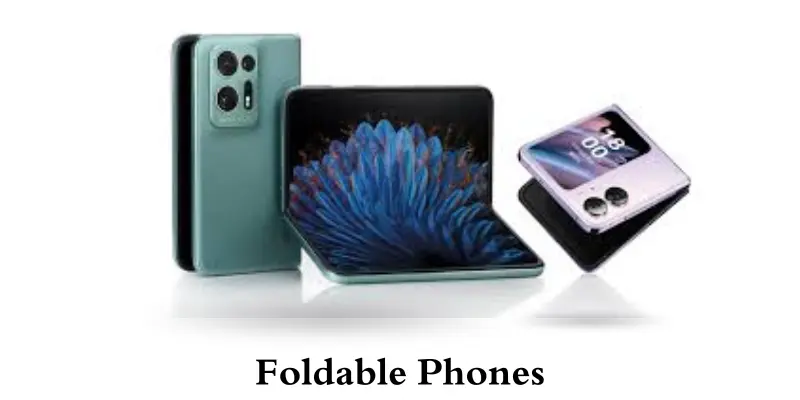
Key Features:
- Flexible OLED/AMOLED screens
- Book-style folds (opens into a bigger screen) or flip-style folds (folds into a small square)
- Great for multitasking with a larger display
- Reinforced hinges built to survive daily folding
| Pros: |
|---|
|
| Cons: |
|---|
|
Ideal For: People who want tablet-like screen space without carrying a second device.
5. Rugged Phones
A rugged phone is built to survive drops, water, dust, and extreme temperatures that would damage a regular smartphone. It uses reinforced casings and shock-absorbing materials, often backed by military-grade or IP durability ratings — the kind of specs you’d expect from equipment made for tough job sites, not a typical phone store.
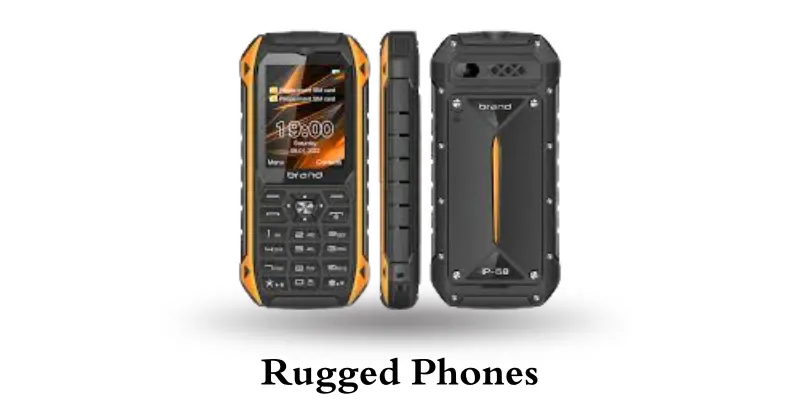
Key Features:
- Shockproof, waterproof, dustproof (often IP68 or IP69K rated)
- Reinforced frames and tougher screens
- Long-lasting battery
- Built to handle heat, cold, and rough handling
| Pros: |
|---|
|
| Cons: |
|---|
|
Ideal For: Construction workers, hikers, field technicians — anyone whose day-to-day environment isn’t exactly phone-friendly.
6. Gaming Phones
A gaming phone is a smartphone built for high performance, designed to run demanding games smoothly with less lag and overheating. It typically includes powerful processors, advanced cooling systems, and gaming-focused software. These features can make gaming phones bulkier than regular smartphones, but they can be useful for serious mobile gamers.
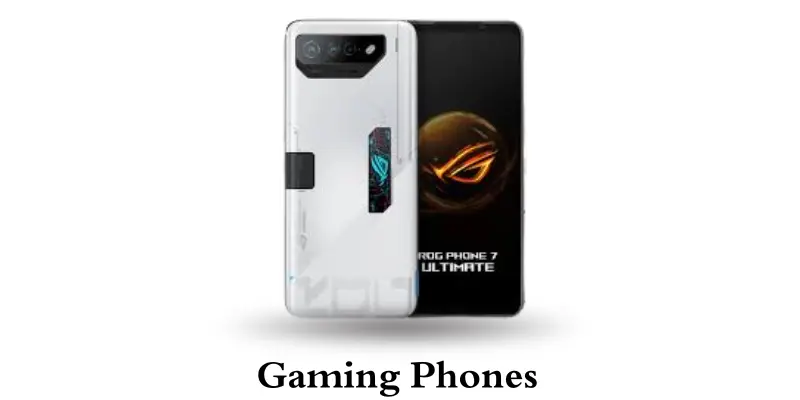
Key Features:
- High-performance processors
- High refresh rate displays (90Hz, 120Hz, or higher)
- Advanced cooling systems to help manage heat during gaming
- Large batteries and gaming-focused software
| Pros: |
|---|
|
| Cons: |
|---|
|
Ideal for: Serious mobile gamers who want strong performance, better cooling, and a smoother gaming experience.
7. VoIP Phones
A VoIP phone makes calls over the internet instead of relying solely on a traditional cellular network. It can use Wi-Fi or mobile data to send voice as digital data, allowing users to make calls through services and apps such as WhatsApp, Skype, and Google Voice. Call quality generally depends on the quality and stability of the internet connection.
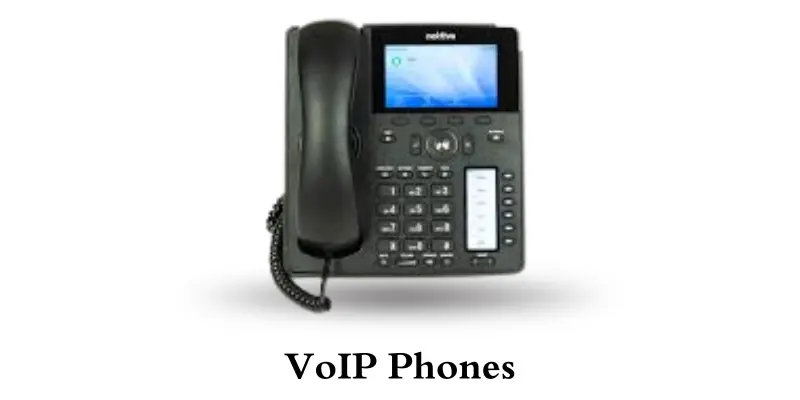
Key Features:
- Calls made over Wi-Fi or mobile data
- Works with services such as WhatsApp, Skype, and Google Voice
- Can reduce the cost of international and long-distance calls
- Available through smartphones, dedicated VoIP devices, and desk phones
| Pros: |
|---|
|
| Cons: |
|---|
|
Ideal for: Remote workers, international callers, and businesses looking for a more flexible and potentially lower-cost calling option.
8. Business Phones
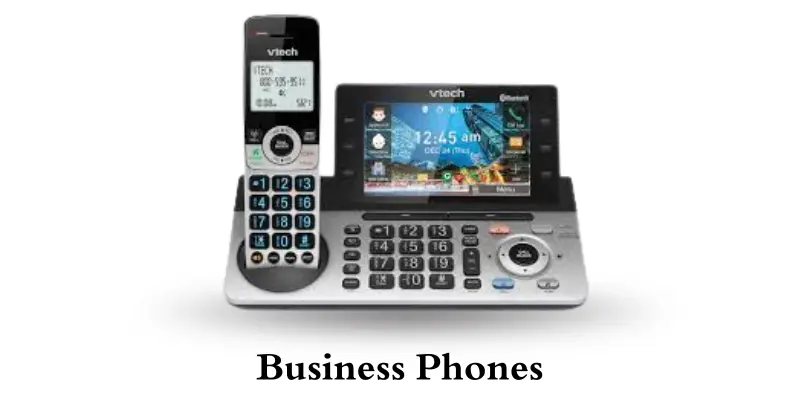
A business phone isn’t really a separate hardware category — it’s usually a regular smartphone optimized for professional and security-focused use. The focus is on protecting work data, managing devices remotely, and providing reliable battery life for people who depend on their phones throughout the workday.
Key Features:
- Encrypted storage and biometric security
- All-day battery life
- Smooth email and calendar integration
- Durable and reliable build quality
| Pros: |
|---|
|
| Cons: |
|---|
|
Ideal for: Executives, remote workers, business professionals, or anyone who handles sensitive work data on the move.
9. Satellite Phones
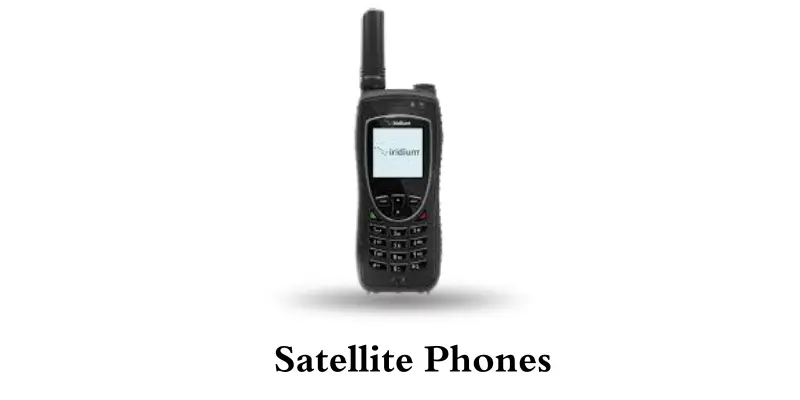
A satellite phone connects through orbiting satellites instead of regular cell towers, letting it work where normal phones can’t. That’s why it can hold a signal in the middle of the ocean, deep in mountains, or any other area without cell coverage — places where even the best smartphone would show zero bars.
Key Features:
- Coverage in remote and signal-dead areas
- Works in deserts, at sea, and in mountainous regions
- Supports voice calls, SMS, and sometimes limited data
- Rugged and durable designs
| Pros: |
|---|
|
| Cons: |
|---|
|
Ideal For: Explorers, sailors, researchers, emergency responders, and travelers who need communication far outside traditional cell coverage.

10. Phablets
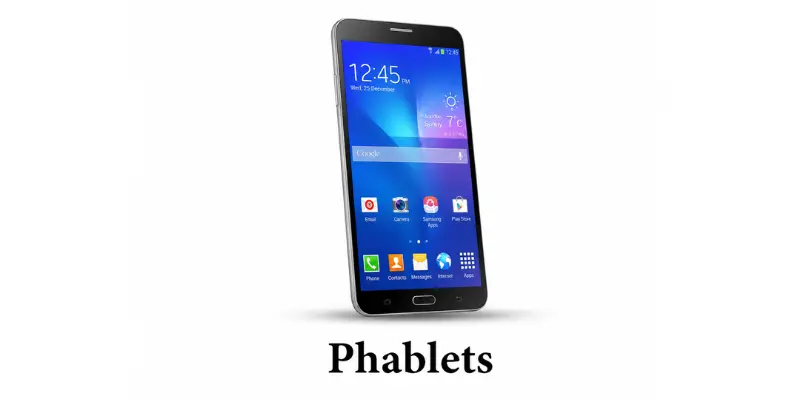
A phablet is a hybrid device, bigger than a typical smartphone (usually 6 to 7 inches) but still pocketable. It’s built for people who want more screen space for reading and streaming, without carrying a full tablet around — essentially the middle ground between the two.
Key Features:
- Large displays, traditionally around 6 to 7 inches or larger
- Great for reading, streaming, and multitasking
- Often supports a stylus
- Larger battery capacity in some models
| Pros: |
|---|
|
| Cons: |
|---|
|
Ideal for: Anyone who watches a lot of video, reads on their phone, or wants more screen space without carrying a full-size tablet.
Quick Comparison: Types of Mobile Phones
Here’s a quick comparison of the 10 main types of mobile phones, including their best uses, typical price ranges, and standout features.
| Phone Type | Best For | Price Range | Standout Feature |
|---|---|---|---|
| Smartphones | Everyday use | Budget to Premium | All-in-one functionality |
| Feature Phones | Simplicity seekers | Low | Long battery life |
| Basic/Keypad Phones | Calls & texts only | Very Low | Maximum durability |
| Foldable Phones | Multitaskers | Premium | Flexible display |
| Rugged Phones | Outdoor/harsh conditions | Mid to High | Shock & water resistance |
| Gaming Phones | Mobile gamers | Mid to High | High refresh rate display |
| VoIP Phones | Remote workers, international callers | Low | Internet-based calling |
| Business Phones | Professionals | Mid to Premium | Security & productivity |
| Satellite Phones | Remote areas | High | Off-grid connectivity |
| Phablets | Media consumption | Mid to High | Large screen size |
How to Choose the Right Type of Mobile Phone
Finding the right mobile phone depends on your needs and budget. Let’s simplify the choice so you can find the type that suits you best.
- Set your budget first. Your budget can quickly narrow down your options. Flagship and foldable phones are usually more expensive, while basic and feature phones are generally more affordable.
- Consider how you’ll use the phone. If you mainly make calls, browse social media, and use everyday apps, a mid-range smartphone may be enough. If you plan to game, edit videos, or create content, look for a phone with more powerful hardware.
- Think about your environment. If you work outdoors, frequently drop your phone, or regularly deal with dust and water, a rugged phone may be a better choice.
- Choose the right screen size. If you read, watch videos, or multitask frequently, a phablet or foldable phone can provide more screen space. For easier one-handed use and better portability, a standard smartphone may be more suitable.
- Look beyond the price. A lower-priced phone is not always the best value if it has poor durability, limited performance, or a short usable lifespan.
- Avoid paying for features you won’t use. For example, a gaming phone may not be worth the extra cost if you rarely play demanding mobile games.
Ultimately, the best mobile phone does not have to be the most expensive. It’s the phone that fits your budget, daily activities, and specific needs.
Different Types of Phones by Brand
Once you’ve settled on a phone category, the next question is usually which brand to choose. Different brands focus on different types of mobile phones, so understanding their strengths can make your decision easier.
- Apple: Known for flagship iPhones with strong cameras, security, performance, and long-term software support.
- Samsung: Offers a wide range of phones, including flagship and budget smartphones, foldables such as the Galaxy Z series, and rugged models such as the Galaxy XCover series.
- Xiaomi/Redmi: Known for budget and mid-range smartphones, with gaming-focused models also available under the POCO brand.
- Oppo: Known for stylish smartphones with a strong focus on camera features, design, and fast charging.
- Vivo: Offers budget-to-premium smartphones with a strong emphasis on cameras, design, and battery features.
- Google: Makes Pixel smartphones known for their camera software, clean Android experience, and Google-focused features.
- Nokia (HMD): Known for simple phones and feature phones, with Nokia-branded devices continuing to serve users who prefer basic features and durability.
- Asus: Best known for the ROG Phone series, which is designed specifically for mobile gaming.
- CAT and Blackview: Rugged-phone brands that focus on durability and devices designed for outdoor, industrial, and demanding environments.
- Motorola: Offers budget-to-premium smartphones, including foldable models under its Razr lineup.
No single brand is the best for every type of phone. The right choice depends on the phone category, features, budget, and overall experience you want.
Conclusion
So guys, in this article, we’ve covered types of mobile phones in detail. As you can see, there’s no single phone type that works best for everyone. If you only need calls and texts, a basic or feature phone may be enough, while gamers, outdoor workers, and power users may benefit from specialized options.
Personally, I’d recommend choosing a phone based on how you actually use it rather than simply following the latest trend.
Explore the different phone types and find the one that suits your lifestyle, needs, and budget.
Frequently Asked Questions (FAQs)
Here are the answers to some common questions about different kinds of mobile phones :
A mid-range smartphone is usually a good starting point because it offers essential apps, decent camera quality, and reliable everyday performance without the higher price of a flagship.
For many people, yes — a phablet handles reading, streaming, and casual browsing well enough that a separate tablet feels redundant. But if you need a larger screen for serious work, drawing, or extended typing, a dedicated tablet still has the edge.
There is no fixed number of mobile phone types because phones can be classified by design, features, purpose, and technology. Common types include smartphones, feature phones, basic phones, foldable phones, rugged phones, gaming phones, VoIP phones, business phones, satellite phones, and phablets.
A basic phone or affordable smartphone can work well for children, depending on their age and how much connectivity they need. Parents should also consider parental controls, privacy settings, and screen-time management.
A smartphone supports advanced operating systems, apps, internet services, and modern features, while a feature phone usually offers more limited functionality and focuses on basic communication and essential tools.



- Be Respectful
- Stay Relevant
- Stay Positive
- True Feedback
- Encourage Discussion
- Avoid Spamming
- No Fake News
- Don't Copy-Paste
- No Personal Attacks
- Be Respectful
- Stay Relevant
- Stay Positive
- True Feedback
- Encourage Discussion
- Avoid Spamming
- No Fake News
- Don't Copy-Paste
- No Personal Attacks
