What is a Phone Case? Complete Guide with Types and Materials
Published: 11 Apr 2026
Can you imagine using your smartphone without a phone case? One small drop can lead to scratches, cracks, or even costly repairs. That’s why a phone case is not just an accessory—it’s a smart investment for protecting your device.
A good phone case keeps your phone safe from daily damage while also improving grip and comfort. At the same time, it lets you express your personal style with different designs, colors, and features.
In this guide, you’ll learn what a phone case is, its different types, materials, benefits, and how to choose the best one for your needs. So, let’s dive in
What is a Phone Case?
A phone case is a protective cover designed to keep your smartphone safe from damage. It will help prevent scratches, cracks, and dents if your phone falls or hits an object. The camera and edges are covered as well in many cases, and keep your device safe against day-to-day accidents.
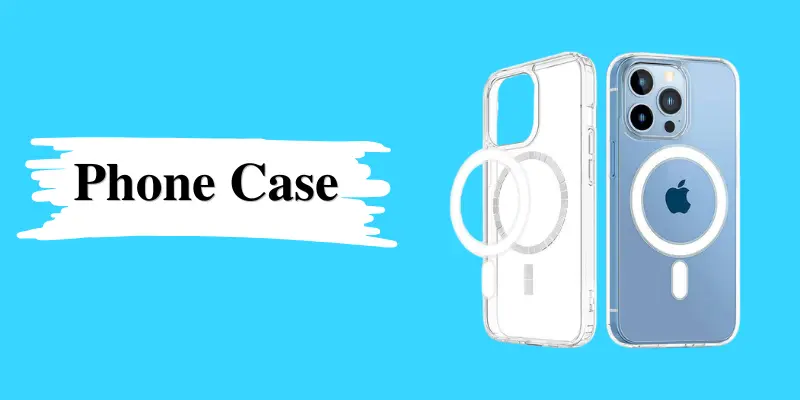
Phone cases do more than just protect. They are grip-improving, meaning that your phone will become less slippery in your hand. Cases are available with additional features such as card slots, stands, or magnetic attachment. This not only simplifies the use of your phone but also makes it safer.
Types of Phone Cases
Phone cases come in different types, materials, and designs, with each type offering different levels of protection and features. Some common types of phone cases include:
- Slim Phone Cases – Thin and lightweight cases for basic everyday protection.
- Clear Phone Cases – Protect the phone while keeping its original design visible.
- Silicone Phone Cases – Soft and flexible cases that provide a comfortable grip.
- TPU Phone Cases – Flexible and durable cases that offer a balance of protection and comfort.
- Rugged Phone Cases – Heavy-duty cases designed for stronger protection against drops and impacts.
- Wallet Phone Cases – Cases with card slots or compartments for carrying essentials.
- Leather Phone Cases – Stylish cases known for their premium appearance and comfortable feel.
- Waterproof Phone Cases – Cases designed to protect phones from water, moisture, and dust.
- Battery Phone Cases – Cases with a built-in battery that provides extra charging power.
- Magnetic Phone Cases – Cases with built-in magnets for compatible chargers and other magnetic accessories.
If you want to learn more about these phone case types, their advantages, disadvantages, materials, and how to choose the right one, read our detailed guide on Types of Mobile Phone Cases.
Phone Case Materials
Phone cases come in different materials, and each material offers its own level of protection, look, and feel. Understanding these materials can help you choose the right case for your phone.
- TPU (Thermoplastic Polyurethane):
TPU is a flexible, strong, and lightweight material. It helps absorb shock from drops and protects your phone from daily damage. TPU cases are durable, slim, and easy to use. - Silicone:
Silicone cases are soft, flexible, and easy to hold. They help prevent slipping and protect your phone from small drops. They are also lightweight and available in many colors. - Polycarbonate (Hard Plastic):
Polycarbonate phone cases are hard, slim, and durable. They help protect your phone from scratches and minor drops. Many polycarbonate cases also have a clear design, so you can show off the original look of your phone. - Leather:
Leather cases are stylish and premium. They are protectively moderate and feel nice in your hand. Many leather cases also age well over time, and some are made from eco-friendly materials. - Wood:
Wood cases are naturalistic and unique. They also protect your phone against scratches and provide it with a modern or artistic look. Some are manufactured with sustainable wood for eco-friendly users. - Metal:
Metal cases are strong and premium-looking. They protect against scratches but may not absorb shocks well. The most suitable is lightweight Aluminium that offers a good balance of strength and weight.
| 💡Tip: |
|---|
Choose a material based on your lifestyle. For strong protection, TPU or rugged cases are best. On the other hand, for style, leather or wood works well. If you care about the environment, however, pick eco-friendly options. |
Advantages and Disadvantages of Phone Cases
Phone cases are very useful for protecting and personalizing your smartphone. However, they also have some cons depending on the type and use. Here are the main advantages and disadvantages of phone cases:
| Advantages: |
|---|
|
| Disadvantages: |
|---|
|
Features of Mobile Phone Cases
Phone cases come with many useful features that help protect your phone while adding style and functionality. Here are some of the main features you’ll find in mobile phone cases:
- Drop and Shock Protection – Covers your phone in case of falls and bumps.
- Scratch and Dust Resistance – Prevents the back, edges, or camera from being scratched or dusty.
- Better Grip Texture – Many cases have textures or soft materials to avoid slipping.
- Style and Personalization – Cases are available in a variety of colors, patterns, and designs to suit your personality.
- Wallet or Card Slots – In some, you can carry cards or money without having a wallet.
- Kickstands – They allow you to stand your phone so you can watch videos or make video calls hands-free.
- Magnetic Compatibility – Works with magnetic mounts or accessories.
- Premium Materials – High-quality leather, wood, or metal cases offer a stylish and durable feel.
- Eco-Friendly Options – Some cases are made from sustainable or recycled materials.
- Compatibility with Accessories – Most of the cases are compatible with wireless charging or headphones.
How to Choose the Best Phone Case
Picking the right phone case can be easy if you know what to look for. Here are the key factors to consider:
1. Device Type
Not all cases fit every phone. Select a case designed specifically for your device, whether it’s an iPhone, Samsung, or another brand. A proper fit safeguards your phone and ensures all buttons, ports, and cameras remain accessible.
2. Material & Durability
The material affects protection and longevity. TPU and silicone are flexible and shock-absorbing. Polycarbonate is slim and rigid. Rugged cases provide heavy-duty protection, while leather or premium materials add style.
Choose a material based on your daily use and the level of protection you want for your phone.
3. Style & Personalization
Choose a minimalist look, a colorful design, or a custom DIY case. Showcase your personality with a phone case while keeping your device safe. Choose a style that matches your taste.
4. Usage Environment
Consider where you use your phone most. If you work outdoors, travel, or lead an active lifestyle, choose a rugged case. For office or casual use, select a slim or wallet case.
5. Price & Brand Reliability
Prioritize quality. Choose brands known for durable cases and warranty support. Compare prices to get value without sacrificing protection.
Conclusion
So guys, it’s time to conclude! In this article, we’ve explained what a phone case is and why it is important. A phone cover secures your phone against falling and marks. It can also give you the ability to add style, a better grip, and even sell your phone in better condition.
My personal advice is to select a phone case that suits you. Pick one that matches your style or provides the level of protection you want for your phone.
Visit your favorite store or website, compare different phone cases, and choose the one that best fits your needs today!
Common Questions About Phone Cases (FAQ)
Many people have questions before buying a phone case. Here are the answers of most common queries:
A phone case protects your phone from drops, scratches, and everyday wear. It can also be used to ensure your phone looks new and it can be styled.
Yes! Even if your phone seems durable, accidents can still happen. A case protects your phone from damage, shields the camera and sides, and can help you avoid costly repairs.
A phone case usually covers the back and sides of your phone and often includes extra features like card slots, kickstands, or extra protection. A phone cover is typically thinner and only covers the back (or sometimes the front) without providing much additional protection or features.
TPU and rugged cases are best for heavy protection. Polycarbonate is good for slim designs. Leather, wood, and metal offer style and moderate protection. Eco-friendly materials are available for sustainable choices.
Yes. A case keeps your phone in better condition, which can increase its trade-in or resale value. Phones without scratches or damage are worth more.
Absolutely! You can paint, add stickers or use charms to make a personal design. The DIY cases offer protection and innovation.




- Be Respectful
- Stay Relevant
- Stay Positive
- True Feedback
- Encourage Discussion
- Avoid Spamming
- No Fake News
- Don't Copy-Paste
- No Personal Attacks
- Be Respectful
- Stay Relevant
- Stay Positive
- True Feedback
- Encourage Discussion
- Avoid Spamming
- No Fake News
- Don't Copy-Paste
- No Personal Attacks
