Complete Guide to Earbuds: Types, Uses & Features
Published: 18 Apr 2026
Earbuds are small, portable devices used to listen to music, watch videos, attend meetings, make calls, play games, or even study. People love them because they are easy to carry, simple to connect, and work with phones, laptops, and TVs.
Whether you use wired, wireless, or true wireless earbuds, they all help provide sound directly to your ears in a comfortable, private way.
In this guide, you’ll learn everything about earbuds, how they work, the different types, key features, pros and cons, and how to pick the right earbuds for your needs. So, let’s dive in
What Are Earbuds?
Earbuds are compact audio devices that fit in or near the ear to deliver sound directly to the listener. Unlike larger headphones, they are designed for everyday convenience and easy portability.
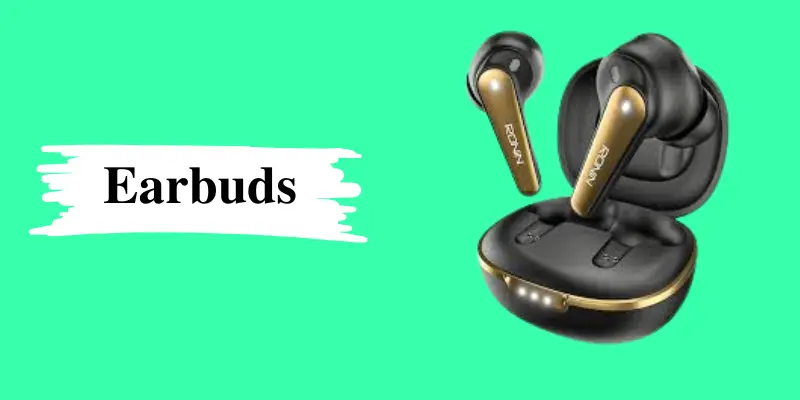
They are widely used for listening to music, taking calls, and watching videos on phones or laptops. Earbuds come in both wired and wireless options, with most modern models using Bluetooth for a quick and simple connection.
How Do Earbuds Work?
Earbuds are a simple audio technology that transforms audio signals from your device into sound that’s easy to hear.
1. How Wired Earbuds Work
Wired earbuds have a direct connection to a device via a cable. They are usually powered by a headphone jack, USB-C, or Lightning connector.
The sound signal is transmitted via the wire, so no battery or charging is required. This ensures they are stable and dependable to listen to continuously.
2. How Wireless Earbuds Work
Wireless earbuds connect to devices using Bluetooth, eliminating the need for wires. They come with built-in batteries, which are charged through a charging case. Once paired with a device, they wirelessly transmit audio signals.
In some models, one earbud acts as the primary connection, linking to the other earbud to transmit audio to both.
3. How Earbuds Work With a Phone
Earbuds connect to a phone either via a cable or wirelessly. Wired earbuds are inserted into the port of the phone, and wireless earbuds are connected through Bluetooth.
When linked, they enable you to listen to audio, make calls easily, and use apps.
Main Types of Earbuds
There are different types of earbuds available in the market. Each of them is advantageous in a different way based on its usage and location.
| Type | Meaning | Best For |
|---|---|---|
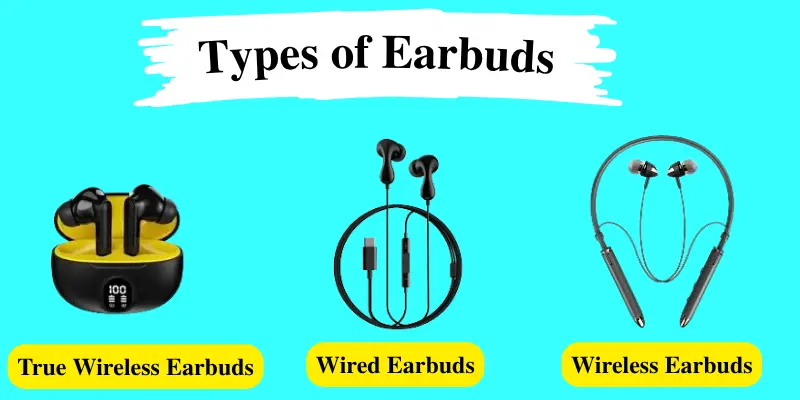
| Wired Earbuds | Use a cable to connect | Simple and reliable use |
| Wireless Earbuds | Use Bluetooth connection | Daily use and mobility |
| True Wireless Earbuds | Completely cable-free | Maximum convenience |
| Noise-Cancelling Earbuds | Block external noise | Travel and office use |
1. Wired Earbuds
Fully wired earbuds directly use a cable to connect to a gadget. They typically support the 3.5mm version audio jack, USB-C, or Lightning connector.
Wired earbuds are user-friendly since there is no need for charging. They tend to be less expensive than wireless earbuds and can offer fixed sound quality with no problems connecting to Bluetooth.
They are an excellent alternative when it comes to individuals who desire an option that is both affordable and dependable.
2. Wireless Earbuds
Wireless earbuds use Bluetooth to connect to devices, but some models may still have a wire linking the two earbuds. These are commonly used for activities like exercise, commuting, or casual listening.
Unlike wired earbuds, wireless models offer more freedom of movement since there is no cable connecting to the device. However, they require charging, and their battery life may be limited depending on the model.
3. True Wireless Earbuds
Real wireless earbuds are ones that are completely free of any wires. Both earbuds are independent and are connected via Bluetooth. They normally include a charging case.
They are very popular because they are easy to carry, look stylish, and feel modern.
4. Noise-Canceling Earbuds
Noise-canceling earbuds reduce surrounding noise, allowing users to hear audio more clearly. Active Noise Cancellation (ANC), a feature in many high-end models, is designed to block out background noise.
ANC earbuds are especially useful in noisy environments such as buses, offices, airplanes, gyms, or busy streets. They are ideal for people who need better concentration and improved sound quality.
Earbuds vs Earphones vs Headphones
Many people use the words earbuds, earphones, and headphones in the same way, but they are slightly different.
| Device | Design | Best For |
|---|---|---|
| Earbuds | Sit near or inside the ear | Daily portable use |
| Earphones | Usually go deeper into the ear canal | Better sound isolation |
| Headphones | Cover the ears | Strong sound and comfort |
Earbuds are small and easy to carry. Earphones often fit more tightly in the ear. Headphones are bigger and usually provide stronger sound and better comfort for long listening sessions.
Main Features of Earbuds
Current earbuds are usable with a lot of functionalities. It should be noted that before purchasing earbuds, you should determine what these functions mean.
- Bluetooth Connectivity:
Bluetooth permits earbuds to get connected wirelessly to phones, laptops, tablets and smart televisions. An effective Bluetooth connection serves to ensure that there is no frequent disconnection of the sound. - Built-in Microphone:
The majority of earbuds have a microphone that is capable of taking telephone calls, voice notes, internet classes, Zoom, and chat games. A good mic is significant when you make a lot of calls. - Active Noise Cancellation:
Active Noise Cancellation, or ANC, is the cancellation of unwanted background noise. It allows you to hear music, converse on the phone, or watch videos in places that are filled with noise. - Charging Case:
Veritable wireless earbuds typically include a charging case along with them. The earbuds are safeguarded by the case and are charged when not used. - Battery Life:
Battery life is a crucial factor for wireless earbuds. Some earbuds can provide 4-6 hours of usage on a single charge, while their charging cases can extend battery life for several additional hours. - Touch Controls:
Touch controls have been implemented on many modern earbuds. To play music, pause audio, or answer calls as well as change a track, or a voice assistant, you can tap the earbuds. - Water Resistance:
Waterproof earbuds are ideal for workouts, running, and outdoor activities. They can handle sweat and light splashes, but it’s important to note that not all earbuds are waterproof.
Advantages and Disadvantages of Earbuds
Here are some of the well-known benefits and drawbacks of hearing devices called Earbuds.
| Advantages of Earbuds : |
|---|
|
| Disadvantages of Earbuds: |
|---|
|
How to Choose the Right Earbuds
Choosing the right earbuds depends on your needs. Not every pair is suitable for every person.
Before buying earbuds, consider these points:
- Purpose: Consider the reasons why you are using earbuds. If you need them for calls, choose earbuds with a good microphone. For music, prioritize sound quality. Noise-canceling earbuds are ideal for travel, while waterproof earbuds are best for exercise.
- Comfort: Earbuds should fit comfortably in your ears. If they are too tight or too loose, they may become uncomfortable or fall out easily.
- Sound Quality: Good earbuds should deliver clear sound, balanced bass, and crisp vocals. Avoid earbuds that produce harsh or muddled sound.
- Battery Life: Battery life is of great concern for wireless earbuds. Select earbuds that will last your day-to-day activities.
- Microphone Quality: When making numerous calls, taking online classes, or attending meetings, go with earbuds that have an excellent microphone.
- Budget: Earbuds are available in low, mid-range, and high price categories. Premium earbuds usually offer better sound quality, ANC, and longer battery life, but many affordable options still provide good performance.
- Compatibility: Make sure the earbuds are compatible with your device, whether it’s a phone, laptop, or TV. Check if your device supports Bluetooth or has the correct connector for wired earbuds.
How to Connect Earbuds to a Phone or TV
Connecting earbuds is usually simple. The method depends on whether they are wired or wireless.
Connecting Earbuds to Android
To connect wireless earbuds to an Android phone:
- Open the earbuds case or take the earbuds out to activate them.
- Turn on Bluetooth on your phone.
- Place the earbuds in pairing mode (they should automatically enter pairing mode when taken out of the case).
- Open Bluetooth settings on your phone.
- Select the earbuds from the list of available devices.
- Wait until the connection.
Connecting Earbuds to iPhone
In order to attach earbuds to an iPhone:
- Open Settings.
- Tap on Bluetooth and turn it on.
- Put your earbuds into pairing mode (this usually happens when you take them out of the case).
- Select your earbuds from the list of available devices.
When you are using wired earbuds, you may need a Lightning or USB-C adapter, depending on your iPhone model.
Connecting Earbuds to Smart TV
To watch audio on wireless earbuds with a smart TV, follow the steps below:
- Open the TV settings.
- Click on Bluetooth or sound options.
- Select the earbuds to pair.
- Choose the earbuds in the Bluetooth menu of the TV.
- Confirm the connection.
If your TV does not support Bluetooth, you may need a Bluetooth transmitter.
Conclusion
Now you have a clear understanding of what are earbuds and how they work. These small and portable devices make it easy to enjoy music, take calls, and watch videos anytime, anywhere. We also explored different types of earbuds, their key features, and simple tips to help you choose the right one.
If you want convenience and no wires, wireless earbuds are a great choice. If you prefer reliability and a lower price, wired earbuds are still a solid option.
Now it’s your turn—compare the types, check the features we discussed, and choose the earbuds that best fit your daily needs.
Frequently Asked Questions (FAQs)
Here are answers to some of the most common questions about earbuds:
Earbuds are used to listen to music, watch videos, and enjoy other audio in a clear and personal way. They also help users make and receive calls easily with built-in microphones. In addition, earbuds offer convenience and privacy, making them perfect for use at home, work, or while traveling.
Earbuds are better for portability and daily use, thanks to their small size and convenience. Headphones, on the other hand, usually deliver stronger sound and greater comfort during long listening sessions.
So, if you need portability, earbuds are ideal; for immersive sound and comfort, headphones are the better choice.
Yes, earbuds can damage hearing if used at very high volume levels for long periods. Listening to loud music or audio through earbuds increases the risk of permanent hearing loss.
To prevent this, it’s important to keep the volume at safe levels and take breaks during use.
Yes, earbuds do not require an internet connection to function. They only need to be connected to your device through Bluetooth or a wired connection.
This means you can enjoy audio content offline, like listening to music, watching videos, or making calls.
Earbuds usually last between 2 to 5 years, depending on their quality and how they are used. Battery-powered wireless earbuds may wear out faster as their battery life decreases over time. Taking proper care, like keeping them clean and charging them correctly, can help them last longer.
Yes, wireless earbuds can connect to Bluetooth-enabled TVs. If your TV does not have Bluetooth, you can use a Bluetooth transmitter to connect the earbuds. This allows you to enjoy audio from the TV privately, without disturbing others.






- Be Respectful
- Stay Relevant
- Stay Positive
- True Feedback
- Encourage Discussion
- Avoid Spamming
- No Fake News
- Don't Copy-Paste
- No Personal Attacks
- Be Respectful
- Stay Relevant
- Stay Positive
- True Feedback
- Encourage Discussion
- Avoid Spamming
- No Fake News
- Don't Copy-Paste
- No Personal Attacks
