Dual SIM Phones: Complete Guide to Benefits, Types & Setup
Published: 18 Nov 2025
With the rise of modern mobile technology, dual-SIM phones provide an easy way to manage multiple numbers. Whether you’re a traveller, business professional, or someone seeking better coverage, a dual SIM phone simplifies your life.
But what exactly is a dual-SIM phone, and how does it work? In this guide, we’ll explain everything in detail — what it is, how it functions, and why you should consider using one. So, without wasting any time, let’s dive in!
What is a Dual SIM Phone?
A dual SIM phone is a mobile device that can hold two SIM cards simultaneously, allowing the user to manage two phone numbers on a single device. These phones can handle calls, texts, and data from both SIM cards without needing to switch between them manually.
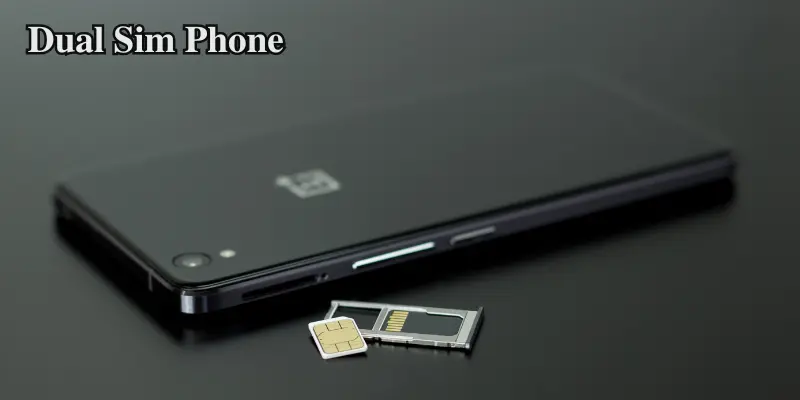
Dual SIM phones are particularly useful for individuals who need to manage separate personal and work lines or travel internationally without incurring high roaming charges. But how exactly does it work? Let’s explore that next.
How Does a Dual-SIM Phone Work?
A dual SIM phone manages two SIM cards through either a Dual SIM Dual Standby (DSDS) or Dual SIM Dual Active (DSDA) configuration. Let’s look at how each one works:
- Dual SIM Dual Standby (DSDS): This is the most common configuration in dual SIM phones. With DSDS, both SIM cards are in standby mode at the same time, meaning both can receive calls or texts. However, only one SIM can be active for voice calls or data at any given moment. This means if you’re on a call with one SIM, the other will be temporarily unavailable.
- Dual SIM Dual Active (DSDA): DSDA phones, on the other hand, allow both SIM cards to be active at the same time. This means you can use both SIMs for voice calls and data at the same time. While this provides greater flexibility, it may also lead to higher battery consumption.
History of Dual SIM Phones
Dual-SIM phones were first introduced in 2000 with the launch of the Benefon Twin by the Finnish company Benefon. By 2007, Chinese manufacturers using MediaTek chipsets had made dual-SIM phones more affordable, especially in regions with unreliable network coverage.
These early phones were basic feature phones, popular in developing countries like India, China, Indonesia, Pakistan, and Southeast Asia, where users needed better coverage or cheaper rates. As demand grew, local brands like Micromax, Karbonn, and Cherry Mobile helped expand the market.
In the 2010s, major brands such as Nokia, Samsung, and Sony introduced dual SIM models like the Nokia C2-00 and Samsung Galaxy Duos. By 2018, Apple added dual SIM support with the iPhone XS, using both physical SIM and eSIM technology.
Modern trends now see eSIMs replacing physical SIM cards in many flagship devices, offering multiple profiles without swapping cards. Some phones, like the LG A290, can support three or four SIM cards, expanding multi-SIM capabilities.
Types of Dual SIM Phones
Now that we know how dual SIM phones work, let’s look at the different types:
- Dual SIM Dual Standby Phones: As mentioned earlier, DSDS is the most common configuration, allowing both SIM cards to be in standby, but only one can be used for calls or data at any time. Available in both budget and premium models.
- Dual SIM Dual Active Phones: Both SIM cards can be used for calls and data simultaneously, offering more flexibility. However, these phones tend to consume more battery and are priced higher.
- Hybrid SIM Phones: These phones allow you to choose between using the second slot for either an extra SIM card or an SD card for additional storage. This is a great option for those who want to maximize their limited space but still need the flexibility of dual SIM capabilities.
- eSIM-enabled Phones: eSIM (Embedded SIM) is a newer technology that’s becoming increasingly common in dual SIM setups. With eSIM, you don’t need a physical SIM card for the second number. Instead, the second line is downloaded onto the device, offering more convenience for travelers and those switching carriers frequently.
Advantages and Disadvantages of Dual SIM Phones
Dual SIM phones offer several advantages, but they also come with some drawbacks. Let’s explore both so you can decide if a dual SIM phone is the right choice for you.
| Pros: |
|---|
|
| Cons: |
|---|
|
How to Set Up and Use a Dual SIM Phone
Setting up and using a dual SIM phone is simple and can be done in just a few steps:
- Insert the SIM Cards: Open the SIM tray and insert both SIM cards. If your phone has a hybrid SIM slot, you’ll need to choose whether to use the second slot for a SIM card or an SD card for extra storage.
- Configure Dual SIM Settings: Go to your Settings app. Under SIM settings (or Network & Internet), you’ll see options to manage both SIM cards. You can set one SIM for calls, another for data, or assign them based on your preference (e.g., one for work and one for personal use).
- Set Default SIM for Calls and Data: Choose your default SIM for calls, texts, and mobile data. You can also configure how your phone will behave when receiving calls from the second SIM.
- Managing SIMs During Calls: When making a call, you’ll be prompted to select which SIM to use, or it can automatically use the default one. If you want to switch SIMs during a call, you can manually change it through the settings.
- Activate eSIM (if supported): If your phone supports eSIM, you can download a second phone number through your carrier. You may need to scan a QR code provided by the carrier to activate the eSIM.
This allows you to easily switch between SIM cards for different networks, which is particularly useful when traveling or if one network offers better coverage in a specific area.
Conclusion:
Throughout this article, we explored how dual SIM technology works, its types, benefits, limitations, and how to use it effectively. Whether you’re a frequent traveller, a busy professional, or someone who just wants more control, a dual SIM phone can truly simplify your digital life.
So, if you’re ready to take control of your mobile experience with one phone and two numbers, why wait? Explore the latest dual SIM phones today and find the perfect fit for your needs.
Frequently Asked Questions (FAQs)
Here are the answers to some common questions about a dual-SIM phone:
Yes, the iPhone 13 supports dual SIM functionality using a physical SIM card and eSIM, allowing you to use two phone numbers on one device. This is ideal for managing personal and business calls or for travelling internationally.
Phones have two SIM cards to allow users to manage two different phone numbers on one device. This is useful for separating personal and work calls, improving network coverage, or saving on roaming charges while travelling internationally.
The best phone with dual SIM depends on your needs. Some popular models include the iPhone 16 Pro Max, Samsung Galaxy S25 Ultra, and OnePlus 13, which offer dual SIM capabilities, good performance, and ease of use. The choice depends on factors like operating system, camera quality, and budget.
No, not all phones are dual SIM. Dual SIM phones are usually available in mid-range and budget models, with some high-end phones offering them as well. It’s important to check the specifications before purchasing if dual SIM functionality is essential to you.
Many dual-SIM phones feature a hybrid SIM slot, where you can choose to use the second slot for either a SIM card or an SD card. This allows you to increase storage while still having dual SIM capabilities. However, you can’t use both at the same time.


- Be Respectful
- Stay Relevant
- Stay Positive
- True Feedback
- Encourage Discussion
- Avoid Spamming
- No Fake News
- Don't Copy-Paste
- No Personal Attacks
- Be Respectful
- Stay Relevant
- Stay Positive
- True Feedback
- Encourage Discussion
- Avoid Spamming
- No Fake News
- Don't Copy-Paste
- No Personal Attacks
