What is a Speakerphone? Discover Features, Benefits, & Uses
Published: 23 Nov 2025
In today’s fast-paced world, communication is more important than ever. Whether you’re working from home, hosting a conference call at the office, or simply trying to have a hands-free conversation, a speakerphone can be a game-changer. But what exactly is a speakerphone, and how does it work?
In this article, we’ll explain everything about the speakerphone—how it works, its history, its uses, its types, and even its pros and cons. So, let’s get started!
What is a Speaker Phone?
A speakerphone is a type of phone that allows people to communicate over the phone without holding the handset to their ears. It uses built-in microphones and speakers to amplify sound, making it ideal for conference calls or hands-free communication.
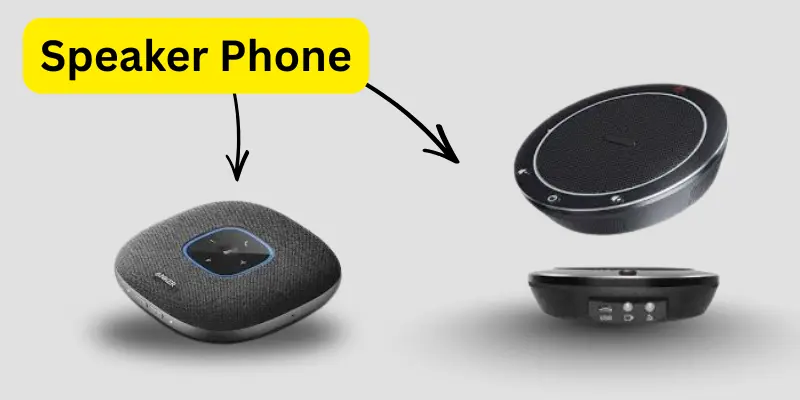
Unlike traditional phones, where one person holds the receiver, a speakerphone transmits the conversation to everyone in the room, allowing multiple participants to hear and contribute without the need for separate handsets.
Speakerphones are used in a variety of settings, from office meetings to home environments and even in mobile devices. They allow users to multitask while staying on the line, making them extremely useful for people with busy schedules.
How Does a Speakerphone Work?
Understanding how a speakerphone works is quite simple. It uses a combination of microphones and speakers to make the conversation clear to multiple listeners without needing to hold the phone. The key components that make this happen are:
1. Microphones:
Speakerphones are equipped with one or more microphones that pick up sounds from everyone in the room, whether they are sitting near the phone or further away. These microphones are often omnidirectional, which means they can capture sound from all directions, ensuring that everyone can be heard clearly, even if they move around or speak from different spots in the room.
2. Speakers:
The microphones transmit the sound to the speakers, which amplify the audio. The speakers project the voice of the person on the other end of the call so that everyone in the room can hear it clearly. High-quality speakerphones are designed with strategically placed speakers to ensure the sound is evenly distributed throughout the space.
3. Echo Cancellation:
Modern speakerphones are equipped with echo cancellation and noise reduction technologies. These features help to minimize distractions like background noise, echoes, or feedback, which can occur when sound bounces off walls or other surfaces. Echo cancellation ensures that only the person speaking is clearly heard, even in larger or noisier environments.
This setup makes speakerphones perfect for meetings, allowing participants to speak freely without holding a phone or worrying about sound quality.
The History and Evolution of Speakerphones
The idea of the speakerphone began in the 1950s when early models were introduced to help with conference calls in business settings. These early devices were large, heavy, and not very user-friendly. But over time, as technology advanced, speakerphones improved as well.
- 1950s-1960s: The first speakerphones were quite expensive and were mostly used in large companies for high-level meetings. They were a luxury item, not commonly found in regular homes or small offices.
- 1980s: As personal computers became more widely available, the first portable speakerphones came onto the scene. These models were smaller and allowed people to use them in their home offices or small businesses.
- 2000s-Present: With the advent of Bluetooth and the rise of smartphones, speakerphones have become more compact and wireless. They were now more accessible and could be found in various devices, from smartphones to smart home assistants. Modern models include features like voice control and noise cancellation, making them easier to use and more useful in everyday situations.
Uses of Speaker Phone
Speakerphones are very useful and come in handy in various situations. Let’s take a look at some of the most common ways they’re used:
- Business Communication: Speakerphones are a must-have in modern offices, helping to facilitate clear communication during meetings with multiple participants. They’re perfect for conference calls, allowing everyone in the room to hear and speak to the person on the other end.
- Hands-Free Calling: If you’re always on the go, a speakerphone offers the convenience of hands-free calling, whether you’re driving or need to multitask at home. It makes tasks like taking notes or cooking while on a call much easier.
- Accessibility: Speaker phones can make communication more accessible for people with disabilities, such as those with hearing problems. The ability to hear clearly and speak freely is important for many users, providing a more inclusive way to stay connected.
- Smart Home Integration: With voice assistants like Alexa and Google Assistant, speakerphones have expanded their role in smart homes. They now support voice-controlled communication, allowing you to make calls, manage tasks, and control your smart home devices with simple voice commands.
Types of Speakerphones
Speakerphones come in different types, each designed for specific purposes. Here’s a look at some of the most popular ones:
1. Built-in Speakerphones
Built-in speakerphones are typically found in smartphones, landline phones, and home devices like smart speakers. They are designed for personal use and small group calls, allowing people to communicate hands-free with just the press of a button. These are perfect for informal conversations or quick meetings in a home or small office setting.
2. Bluetooth Speakerphones
Bluetooth speakerphones are wireless devices that connect to phones, tablets, or computers using Bluetooth technology. They are great for people who need a portable solution for communication. Their compact size and wireless convenience make them perfect for small office environments or personal use. These speakerphones provide flexibility, allowing users to move around freely while still staying connected.
3. Conference Speakerphones
Conference speakerphones are designed for larger meetings or conference calls. These devices feature high-quality microphones and powerful speakers to ensure clear communication across a larger room.
Many conference speakerphones are equipped with 360-degree microphones, ensuring that voices from all areas of the room are picked up. They also often come with noise cancellation and echo reduction features, making them ideal for professional environments like boardrooms or business meetings.
4. Voice-Activated Speakerphones
Voice-activated speakerphones are integrated with smart home technology, allowing users to control the device with voice commands. This hands-free feature makes them highly convenient for people who prefer voice control.
These speakerphones can be connected to smart home assistants like Alexa or Google Assistant, allowing users to make calls, adjust volume, and manage conversations without physically interacting with the device.
Pros and Cons of Speakerphones
Speakerphones are incredibly useful, but like any technology, they come with both advantages and limitations. Let’s take a closer look at both:
| Pros: |
|---|
|
| Cons: |
|---|
|
Conclusion
To sum up, the speakerphone is an essential device in today’s communication environment. With its ability to provide hands-free communication and facilitate group discussions, it’s become a must-have in offices, homes, and even smart homes. From traditional landline models to advanced Bluetooth and voice-activated versions, speakerphones have evolved to meet the demands of modern life.
While they offer many benefits, including convenience and accessibility, it’s important to consider the potential drawbacks, like privacy concerns and audio quality. But overall, the speakerphone remains a valuable tool for easy communication.
Don’t miss out on the convenience—get your speakerphone today!
Frequently Asked Questions (FAQs)
Here are the answers to some common questions about the Speaker Phone :
Many modern speakerphones come with noise cancellation and echo reduction features, which help in noisy environments. However, some lower-end models may struggle to filter out excessive background noise, which can affect call quality.
Yes, because speakerphones transmit conversations to everyone in the room, they may raise privacy concerns. It’s important to ensure you’re in a private setting or inform others before using the speakerphone for sensitive or confidential discussions.
A speakerphone is a communication device that allows you to speak and listen to a phone call without holding the telephone. It uses built-in microphones and speakers, so multiple people can hear and speak during the call hands-free.



- Be Respectful
- Stay Relevant
- Stay Positive
- True Feedback
- Encourage Discussion
- Avoid Spamming
- No Fake News
- Don't Copy-Paste
- No Personal Attacks
- Be Respectful
- Stay Relevant
- Stay Positive
- True Feedback
- Encourage Discussion
- Avoid Spamming
- No Fake News
- Don't Copy-Paste
- No Personal Attacks
