What is a Mobile Phone? Discover Its History, Uses, Types & More
Published: 13 Sep 2025
A mobile phone, also known as a cell phone or smartphone, has become an integral part of our daily lives. Whether you’re communicating with others, browsing the web, or managing work tasks, mobile phones make it all possible. But what exactly is a mobile phone, and how did it evolve into the powerful devices we rely on today?
In this article, we will explore the definition, history, technological advancements, uses, and future of mobile phones. So, let’s get started.
What is a Mobile Phone?
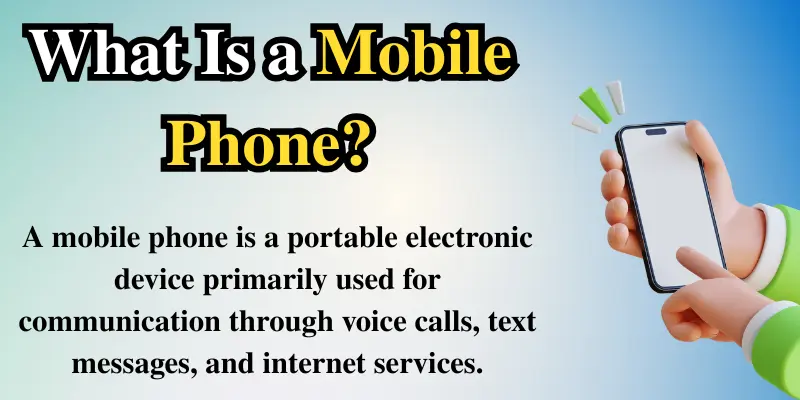
A mobile phone is a portable electronic device primarily used for communication through voice calls, text messages, and internet services. It can also function as a camera, GPS, music player, and much more. Unlike traditional landline phones, mobile phones allow users to communicate from virtually anywhere because they rely on wireless networks to transmit data over radio frequencies.
While mobile phones were originally designed for communication but modern smartphones are multifunctional devices that combine computing capabilities, wireless connectivity, and a wide array of features, making them essential for personal and professional use.
How Do Mobile Phones Work?
Mobile phones operate using radio waves to send and receive signals through a network of towers and satellites. The basic process involves:
- Signal Transmission: The mobile phone sends a signal to a nearby cell tower, which acts as a relay.
- Routing the Call: The signal is sent to a switching center, which sends it to the correct destination.
- Receiving the Signal: The signal reaches the other person’s phone, making it possible to communicate.
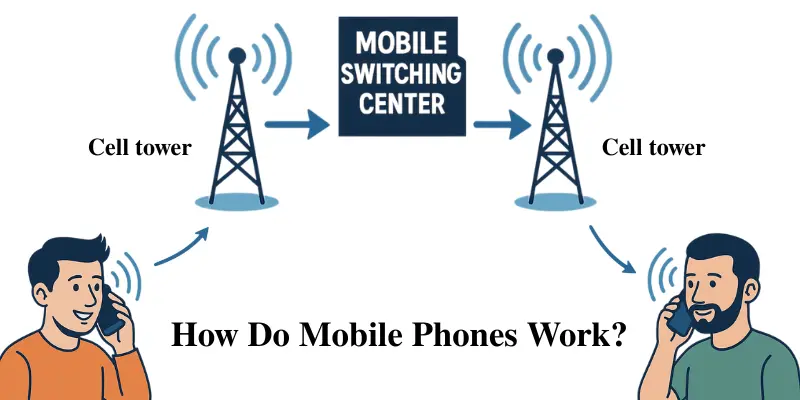
Mobile phones rely on a mobile network, which is made up of several components, including base stations (cell towers), switching centers, and satellites. These components work together to provide smooth global communication.
The History and Evolution of Mobile Phones
The first actual mobile phone, the Motorola DynaTAC, was invented by Martin Cooper in 1973. This was the beginning of a revolutionary journey that would change the world of communication. The phone weighed around 2.5 pounds and was over 10 inches tall. It could only be used for making calls, and its battery lasted around 30 minutes on a single charge.
Key Milestones in Mobile Phone Evolution:
- 1980s: The first commercially available mobile phone, the Motorola DynaTAC 8000X, was released in 1983. It was extremely expensive, selling for more than $3,500.
- 1990s: Mobile phones became more affordable, and the Nokia 1011, released in 1992, introduced the first GSM (Global System for Mobile Communications) phone, making mobile communication more widespread.
- 2000s: The introduction of smartphones like the BlackBerry and Nokia’s Series 40 and Series 60 operating systems changed the game by providing email, internet access, and messaging services.
- 2007: Apple revolutionized the mobile phone industry with the release of the iPhone, which combined a phone, iPod, and internet browser in one device. This indicated the beginning of the smartphone era by introducing touchscreens, app ecosystems, and advanced mobile computing into the mainstream.
- Present day: Mobile phones are equipped with 5G connectivity, powerful AI capabilities, advanced cameras, and cloud integration, making them essential tools in both our personal and professional lives.
Types of Mobile Phones
Mobile phones range from basic calling models to advanced smartphones with various features, each catering to different needs.
1. Basic Phones
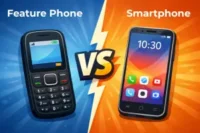
Basic mobile phones are Feature phones that provide essential functions like calling and texting. They lack the advanced operating systems and apps found in smartphones. Feature phones are more affordable and are often used by people who need a mobile phone for basic communication without the extra features.
2. Smartphones
Smartphones are advanced mobile phones that run on operating systems like Android or iOS. They offer a range of features such as internet browsing, social media access, camera functionality, and access to thousands of apps. Smartphones are equipped with powerful processors, high-definition screens, and large storage capacities, making them more versatile than traditional mobile phones.
Uses of Mobile Phones
Mobile phones have become multifunctional devices that serve a variety of purposes beyond just voice communication. Here are some of the most common uses:
- Communication: Mobile phones are primarily used for voice calls, video calls, and text messaging, allowing instant communication regardless of distance.
- Internet Access: Mobile phones allow users to access the internet, browse websites, and use social media apps, making them an essential tool for staying connected and informed.
- Entertainment: Mobile phones are often used for streaming music, movies, and television shows. They also provide access to games, ebooks, and other forms of entertainment.
- Photography: Modern smartphones are equipped with high-quality cameras that allow users to take photos and videos. Some phones even include advanced features like portrait mode and night photography.
- Navigation: With built-in GPS technology, mobile phones help users navigate through unfamiliar places using apps like Google Maps or Apple Maps.
- Productivity: Mobile phones offer access to productivity apps like email, calendars, and note-taking tools, making them essential for work-related tasks.
- Health and Fitness: Many mobile phones include fitness tracking apps and health monitoring features, helping users monitor their physical activity, sleep, and more.
Advantages and Disadvantages of Mobile Phones
Mobile phones make communication and online activities easier, but like any technology, they have some benefits and drawbacks.
| Pros of Mobile Phones: |
|---|
|
| Cons of Mobile Phones: |
|---|
|
The Future of Mobile Phones
The future of mobile phones looks incredibly exciting, with advancements in 5G technology, artificial intelligence, and augmented reality (AR) paving the way for more interactive and intelligent mobile devices. Here’s what we can expect:
1. 5G Connectivity: 5G networks will significantly improve mobile phone speeds, enabling faster internet browsing, smoother video streaming, and enhanced gaming experiences.
- Note: While the world is still adopting 5G, China has already launched 10G networks, pushing the boundaries of mobile internet. This advanced position puts China ahead in the next-generation connectivity race.
2. AI Integration: Artificial intelligence will make mobile phones even smarter, with better voice recognition, personalized recommendations, and improved camera functionalities.
3. Foldable Phones: Foldable smartphones are already entering the market, offering a new form factor that combines the portability of a phone with the screen size of a tablet.
4. Augmented Reality (AR): AR will transform the way we interact with our devices, offering immersive experiences in entertainment, gaming, and education.
Conclusion
So guys, in this article, we’ve covered what is mobile phone in detail. From its history and evolution to its modern-day functionalities, we’ve seen how these devices have become essential in our everyday lives.
My personal recommendation is to enjoy the benefits of mobile phones while also being mindful of their potential drawbacks, such as addiction and privacy concerns. Remember, technology is at its best when it improves your life without complicating it.
If you found this article helpful, don’t forget to share it with your friends and stay tuned for more insightful content!
Frequently Asked Questions (FAQs)
Here are the answers to some common questions about what is a mobile phone:
The mobile phone was invented by Martin Cooper in 1973. He worked for Motorola and made the first mobile phone call on a handheld device. This invention marked the beginning of mobile communication.
The first cell phone company was Motorola, which introduced the Motorola DynaTAC in 1983. This was the first commercially available mobile phone.
The full form of mobile phone is “Mobile Telephone”. “Mobile” refers to its ability to be used anywhere, and “telephone” refers to its function as a communication device.
The key characteristics of a mobile phone include portability, wireless communication, the ability to make calls, send texts, and access the internet. Modern smartphones also come with cameras, GPS, and various apps for entertainment and productivity.
Feature phones are basic devices used for calling and texting, while smartphones are more advanced and can do much more, like browsing the internet, running apps, and taking photos. Smartphones are better suited for people who need more than just calling and texting.


- Be Respectful
- Stay Relevant
- Stay Positive
- True Feedback
- Encourage Discussion
- Avoid Spamming
- No Fake News
- Don't Copy-Paste
- No Personal Attacks
- Be Respectful
- Stay Relevant
- Stay Positive
- True Feedback
- Encourage Discussion
- Avoid Spamming
- No Fake News
- Don't Copy-Paste
- No Personal Attacks
