Explore Different Types of Mobile Phones: From Basics to Advanced
Published: 24 Oct 2025
With new mobile technology launching every year, choosing the right device can be tough. From basic phones to advanced foldable smartphones, there’s a mobile phone for every need.
In this guide, we’ll discuss different phone types, their features, pros, cons, and the best users for each. Whether you’re a gamer, business professional, or just need a simple device, we’ve covered everything. So let’s dive in
2. Types of Mobile Phones
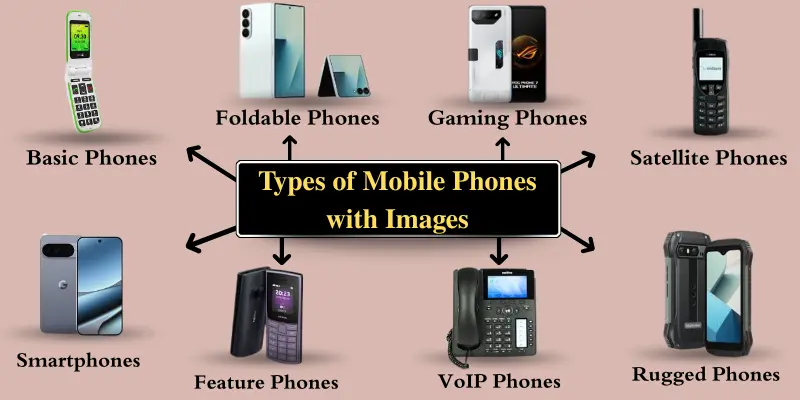
Here, we’ll explore 10 types of mobile phones to help you find the one that fits your needs and lifestyle.
1. Basic Phones
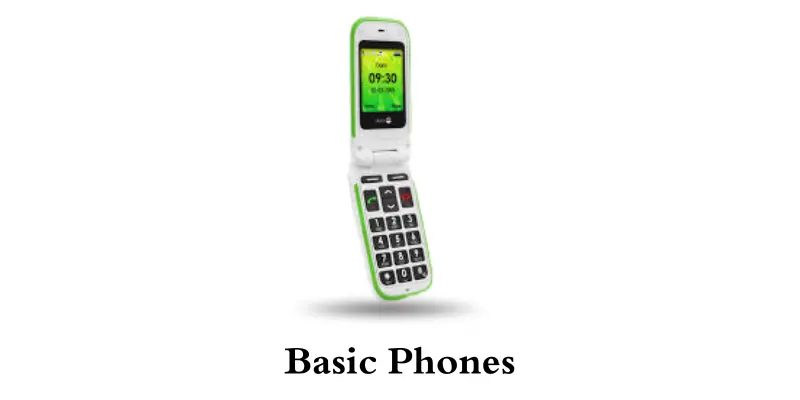
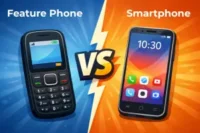
Basic phones, also known as feature phones, are designed primarily for calling and texting without the complexities of modern smartphones.
Key Features:
- Physical keypad for easy typing.
- Long battery life, lasting for several days.
- Limited or no internet functionality for browsing or app usage.
| Advantages: |
|---|
|
| Disadvantages: |
|---|
|
Popular Brands: Nokia, Samsung, Alcatel
Best For: Budget-conscious users, older people, and those who only need a phone for calls and texts.
2. Feature Phones
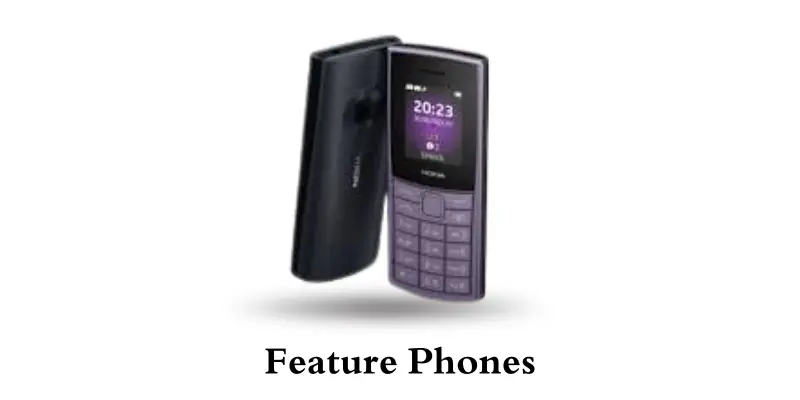
Feature phones are slightly more advanced than basic phones, with some internet connectivity and basic apps, but they are still much more limited than smartphones.
Key Features:
- Hybrid keypad (physical + touchscreen) for easier navigation.
- Basic internet functionality for social media and simple browsing.
- Pre-installed apps like a browser and weather app.
| Advantages: |
|---|
|
| Disadvantages: |
|---|
|
Popular Brands: Nokia, Samsung, LG
Best For: Users who want a balance between simplicity and features without the complexity of smartphones.
3. Smartphones
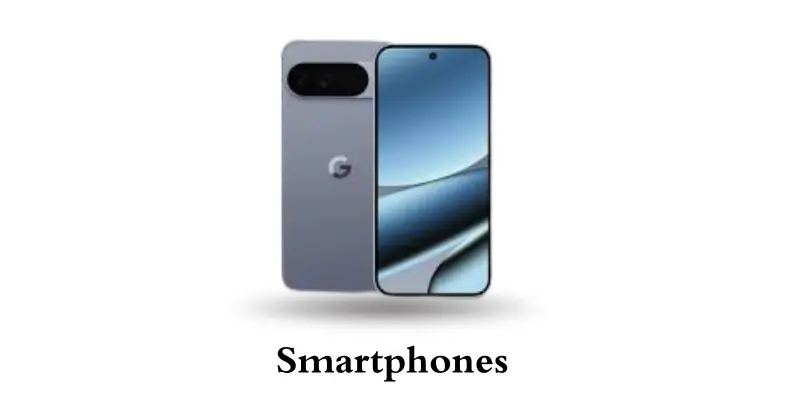
Smartphones are advanced mobile devices that offer a wide range of features beyond basic communication, including gaming, social media, productivity tools, and high-quality photography.
Key Features:
- Touchscreen interface for easy navigation.
- App ecosystem (iOS/Android) for various apps and services.
- Multi-camera setups for photography and video.
- Internet access for browsing, social media, and streaming.
| Advantages: |
|---|
|
| Disadvantages: |
|---|
|
Popular Brands: Apple, Samsung, Google
Best For: General consumers, tech lovers, and professionals who need a multifunctional device.
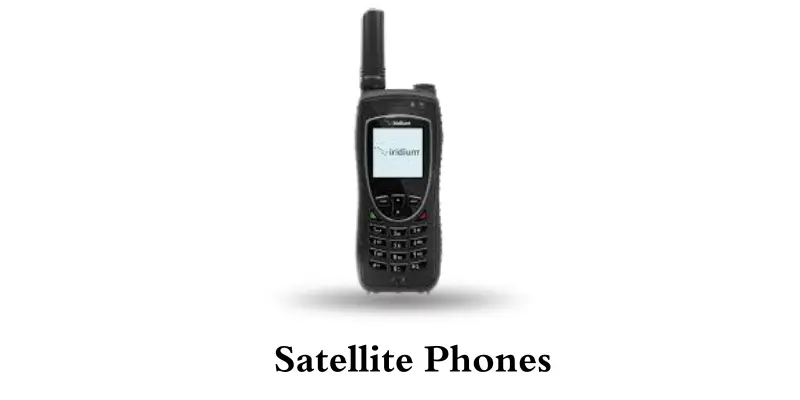
4. Satellite Phones
Satellite phones are designed to provide communication through satellite signals, making them ideal for use in remote areas where traditional mobile networks don’t reach.
Key Features:
- Global coverage, even in remote areas or places without traditional network access.
- GPS functionality for navigation.
- Voice and text communication using satellite connections.
| Advantages: |
|---|
|
| Disadvantages: |
|---|
|
Popular Brands: Iridium, Inmarsat, Globalstar
Best For: Adventurers, emergency responders, and remote workers who need reliable communication in isolated locations.
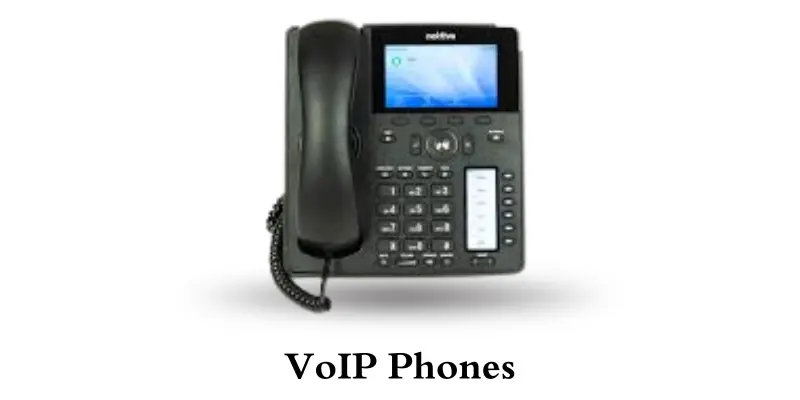
5. VoIP Phones
VoIP (Voice over Internet Protocol) phones use the Internet for voice communication. They are replacing traditional telephone networks with online calls.
Key Features:
- Internet-based calling for voice communication.
- Integration with business systems like customer support and communication platforms.
- It can be used on both mobile devices and desktop phones.
| Advantages: |
|---|
|
| Disadvantages: |
|---|
|
Popular Brands: Cisco, Yealink, Grandstream
Best For: Businesses, remote workers, and tech-savvy people looking for a more affordable and flexible communication solution.
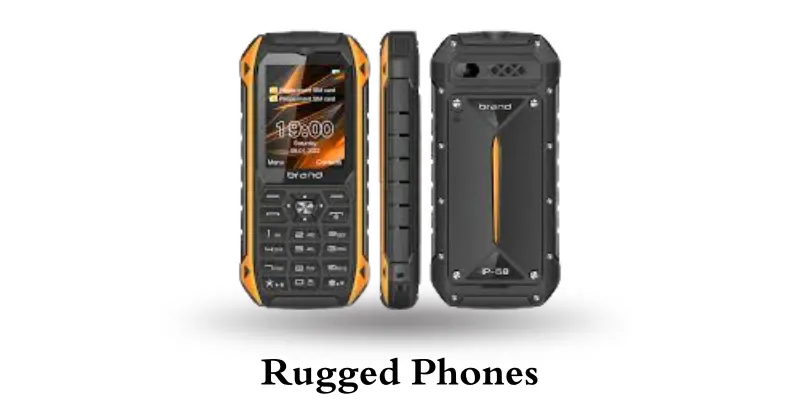
6. Rugged Phones
Rugged phones are designed to face extreme conditions, including shock, water, and dust, making them perfect for outdoor workers and adventurers.
Key Features:
- Shockproof, dustproof, and waterproof for use in challenging environments.
- Military-grade standards for durability.
- Larger battery capacity for extended use in tough conditions.
| Advantages: |
|---|
|
| Disadvantages: |
|---|
|
Popular Brands: CAT Phones, Samsung Galaxy XCover, Nokia
Best For: Construction workers, outdoor lovers, and military personnel who need a tough, reliable device.
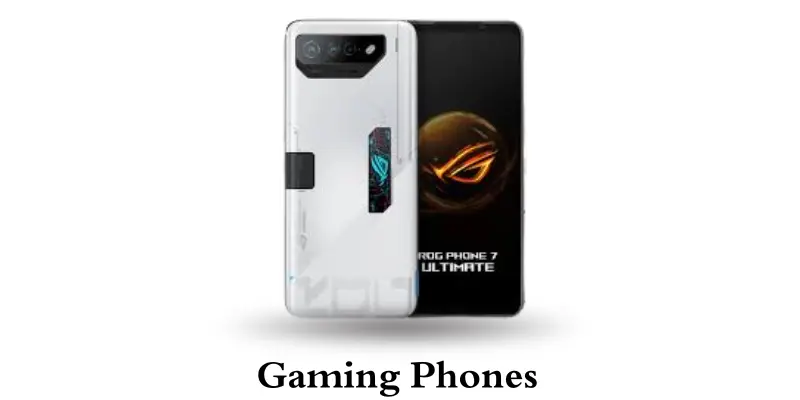
7. Gaming Phones
Gaming phones are specifically designed for high-performance gaming. They have powerful processors, smooth displays with high refresh rates, and efficient cooling systems.
Key Features:
- High refresh rate displays (90Hz, 120Hz) for smooth gaming.
- Advanced cooling systems to prevent overheating during long gaming sessions.
- Customizable gaming controls for an enhanced gaming experience.
| Advantages: |
|---|
|
| Disadvantages: |
|---|
|
Popular Brands: ASUS ROG, Xiaomi Black Shark, Lenovo Legion
Best For: Gamers, mobile esports participants, and tech lovers looking for a top-tier gaming experience
8. Foldable Phones
Foldable phones are smartphones with flexible screens that can be bent or folded, giving users the benefit of a larger display in a compact, portable form.
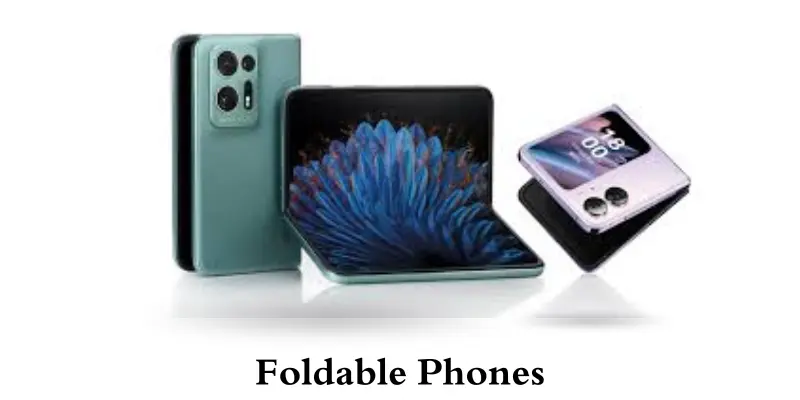
Key Features:
- Flexible OLED displays for a foldable screen.
- Multitasking support for running multiple apps at once.
- Innovative design that combines portability with a large display.
| Advantages: |
|---|
|
| Disadvantages: |
|---|
|
Popular Brands: Samsung Galaxy Z Fold, Huawei Mate X, Motorola Razr
Best For: People who love new technology, tech enthusiasts, and professionals who want a big screen in a compact phone.
9. Business Phones
Business phones are designed to provide advanced security, productivity features, and smooth integration with business systems, making them perfect for business users.
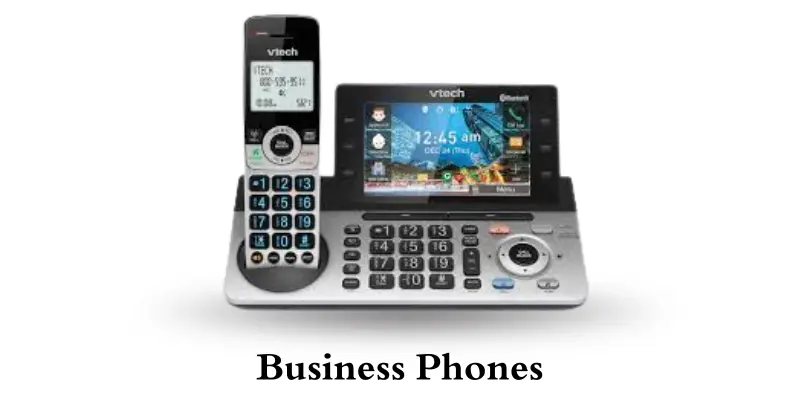
Key Features:
- Advanced security features such as encryption and biometric recognition.
- Enterprise-level apps for productivity, email, and business communication.
- Dual SIM capability for separating work and personal calls.
| Advantages: |
|---|
|
| Disadvantages: |
|---|
|
Popular Brands: Apple (iPhone for business), BlackBerry, Samsung
Best For: Corporate professionals, business managers, and remote teams who need a secure and efficient device.
10. Solar-Powered Phones
Solar-powered phones come with built-in solar panels to recharge the device using sunlight, making them an eco-friendly choice for those on the go.
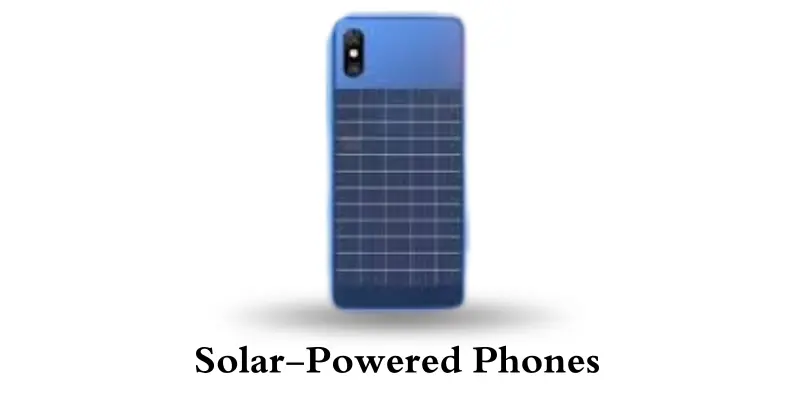
Key Features:
- Solar panels for charging through sunlight.
- Eco-friendly design with long-lasting materials.
- Long battery life to reduce dependency on traditional charging.
| Advantages: |
|---|
|
| Disadvantages: |
|---|
|
Popular Brands: Fairphone, Solarin, Samsung (solar-powered accessories)
Best For: Environmentalists, outdoor lovers, and travelers who need an eco-friendly and durable device.
How to Choose the Right Mobile Phone
Finding the right mobile phone depends on your needs and budget. Let’s simplify it so you can pick the right mobile phone type based on your needs.
For Everyday Use and Communication
If you need a phone for basic communication and everyday tasks like texting and calling:
Go for:
- Basic Phones: Simple, affordable, and perfect for calling and texting.
- Feature Phones: A simple upgrade from basic phones, offering limited internet access and a few built-in apps for light use.
For Gaming and High-Performance Use
Looking for a phone to handle gaming, multimedia, or high-performance tasks?
Go for:
- Gaming Phones: Powerful processors, high refresh rate displays, and cooling systems for smooth, lag-free gaming.
- Smartphones: General-purpose devices with enough power for casual gaming and multitasking.
For Photography and Social Media
Want a phone for taking photos or making social media content?
Go for:
- Smartphones: With multiple camera setups, high-quality lenses, and advanced photography modes.
- Feature Phones: If you only need basic photos for social media without advanced editing options.
For Remote Locations or Emergency Use
Need a phone for use in remote areas or during emergencies?
Go for:
- Satellite Phones: Perfect for remote locations with no mobile network, offering global coverage and GPS functionality.
- Rugged Phones: These phones are designed to withstand tough environments like construction sites or outdoor adventures.
For Business Use
Looking for a phone that can help you manage business tasks, improve productivity, and maintain security?
Go for:
- Business Phones: Designed with enhanced security features, productivity apps, and business tools for smooth work performance.
- Smartphones: Suitable for professionals who need more functionality and access to business-related apps.
| 💡 Tip: |
|---|
When choosing a mobile phone, keep these 3 things in mind:
Still confused? Let me know what you’re looking for and your budget—I’ll help you find the perfect mobile phone! |
Conclusion
Now that you know about the various types of mobile phones, it’s easier to find one that matches your needs. Whether you’re a casual user looking for a simple device or someone who needs a high-performance phone for gaming or business, there’s a perfect option for you.
Just think about what matters most, like functionality, portability, or budget, before making a decision.
Frequently Asked Questions (FAQs)
Here are the answers to some common questions about different kinds of mobile phones :
There are several types of mobile phones, including basic phones, smartphones, feature phones, gaming phones, rugged phones, and foldable phones. Each type serves different needs, such as simple communication or high-performance tasks. The choice depends on your requirements, like camera quality, battery life, and usability.
The top 5 mobile phones in 2025 typically include models from brands like Apple (iPhone 16 Pro Max), Samsung (Galaxy S25 Ultra, Galaxy Z Fold 5), Google (Pixel 9 Pro), and OnePlus (OnePlus 13). These phones stand out for their cutting-edge features, such as exceptional cameras, powerful processors, and smooth user experiences.
The most common type of mobile phone is the smartphone. Smartphones offer a wide range of features, from calling and texting to advanced apps, high-quality cameras, and internet access. They’re used by most people for personal, social, and professional tasks.
The best phones for gaming in 2025 feature high refresh rate screens, powerful processors, and effective cooling systems to ensure smooth and lag-free performance. Top options include the ASUS ROG Phone 9 Pro, Nubia RedMagic 10 Pro, and Lenovo Legion Pro 5G. These phones offer exceptional graphics, fast processing, and advanced cooling solutions, making them perfect for longer gaming sessions.


- Be Respectful
- Stay Relevant
- Stay Positive
- True Feedback
- Encourage Discussion
- Avoid Spamming
- No Fake News
- Don't Copy-Paste
- No Personal Attacks
- Be Respectful
- Stay Relevant
- Stay Positive
- True Feedback
- Encourage Discussion
- Avoid Spamming
- No Fake News
- Don't Copy-Paste
- No Personal Attacks
