Pros and Cons of Mobile Phones for Students & Adults
Published: 24 Sep 2025
Did you know that over 5 billion people use mobile phones worldwide? These devices have become an essential part of daily life, especially for students. Whether it’s for connecting with friends, accessing learning materials, or keeping up with social media, mobile phones play an undeniable role in the student experience. But are they helping or harming students in their educational journey?
In this Essay, we will explore the advantages and disadvantages of mobile phones for students and provide helpful advice on how to use these devices responsibly. By the end, you’ll have a clear understanding of how mobile phones impact students’ academic performance, social lives, and overall well-being. So, let’s get started.
Advantages of Mobile Phones for Students
Mobile phones provide several benefits for students. Here are some key advantages that can make a difference in a student’s academic and personal life:
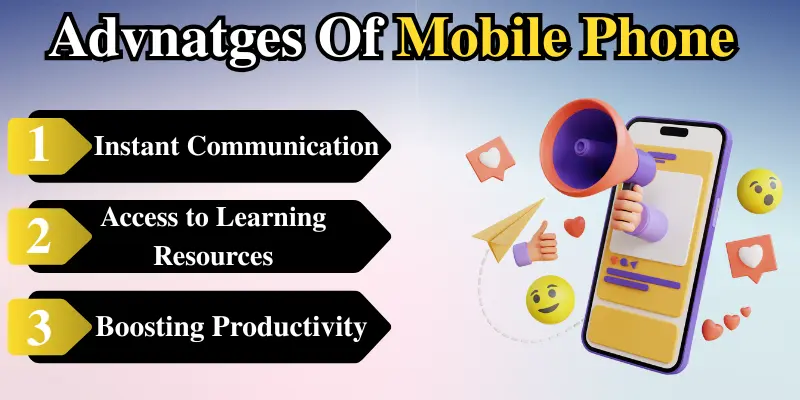
- Instant Communication
- Access to Learning Resources
- Boosting Productivity
- Enhanced Research and Information Access
- Collaboration and Group Work
- Safety and Emergency Use
- Health and Fitness Tracking
- Entertainment and Relaxation
- Skill Development
- Access to Global Information
Now, let’s discuss these advantages in detail.
1. Instant Communication
Mobile phones allow students to easily stay in touch with their family, friends, and teachers. Whether you need help with schoolwork, want to ask a quick question, or just need support, mobile phones make it easy.
A quick text message, a phone call, or even a video chat ensures you’re always connected to someone who can assist you. This is especially important if you are feeling confused or need quick answers from your teacher or classmates.
2. Access to Learning Resources
Learning doesn’t have to stop once you leave the classroom. Mobile phones give you instant access to a variety of online resources that can help you with your studies. You can download e-books, use educational apps, and even take online courses from anywhere.
Instead of relying solely on textbooks, you can explore interactive content that suits your unique way of learning, whether it’s videos, quizzes, or practice exercises.
3. Boosting Productivity
Mobile phones can actually help you stay organized and manage your time. There are many apps that allow you to create calendars, to-do lists, and reminders, making it easy to keep track of homework, project deadlines, and exams.
These productivity tools can help you stay on top of your schoolwork and avoid forgetting anything. So, you can spend less time worrying about missing assignments and more time focusing on your studies.
4. Enhanced Research and Information Access
Gone are the days when you had to spend hours at the library looking for information. Now, your mobile phone gives you instant access to everything you need.
You can use search engines to find reliable information, visit educational websites, and explore research databases—all from the fingertips of your hand. This makes doing assignments and finding credible sources much quicker and easier.
5. Collaboration and Group Work
Mobile phones are great for working with classmates. Apps like Google Drive and Microsoft Teams let you share files, work on documents together, and communicate about group projects, all in real time.
This is super useful when you’re doing a project with others, allowing you to contribute to the work even if you’re not physically together. You can also keep track of what everyone is doing and stay on the same page with team members.
6. Safety and Emergency Use
One of the best benefits of mobile phones is safety. If you’re ever in an emergency, you can immediately contact your parents, teachers, or emergency services with just a few taps.
Whether you’re on your way to school, walking home, or at school, having a phone with you ensures that you can contact someone if something goes wrong. This gives both students and parents peace of mind.
7. Health and Fitness Tracking
Mobile phones can also help you stay healthy and active. There are many apps available that can track your daily steps, sleep patterns, and even monitor your mental health.
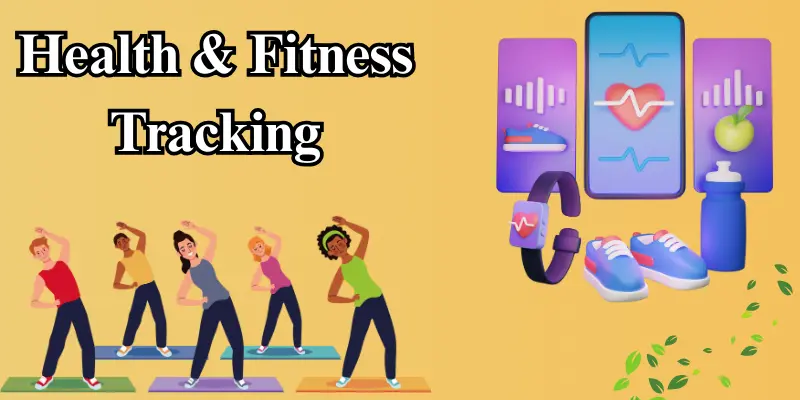
This can encourage you to stay more active and adopt healthier habits, such as exercising more, getting enough rest, or even taking time to focus and relax your mind. These apps can be great reminders to take care of your body and mind, even during busy school days.
8. Entertainment and Relaxation
Everyone needs a break from studying, and mobile phones provide plenty of entertainment options when you need to relax. Whether it’s streaming movies, listening to music, or playing games, your mobile phone can be a great way to relax after a long study session.
This is important for maintaining a balanced lifestyle, where you can focus on your studies but also enjoy your free time.
9. Skill Development
Mobile phones are not just for school-related activities; they can also help you learn new skills. Whether you want to learn a new language, try coding, or even practice photography, there are apps designed to help you develop new abilities.
This means you can use your free time to explore and improve your skills, adding to your knowledge and experience outside of the classroom.
10. Access to Global Information
Mobile phones connect you to a global community. Whether it’s staying updated on world events, reading international news, or connecting with students from other countries, mobile phones give you access to a wealth of global information.
This helps broaden your perspective and enhances your understanding of the world, making you more aware and connected to what’s happening beyond your environment.
Disadvantages of Mobile Phones for Students
While mobile phones offer many benefits but they also come with challenges. Here are some of the main disadvantages that students should be aware of:
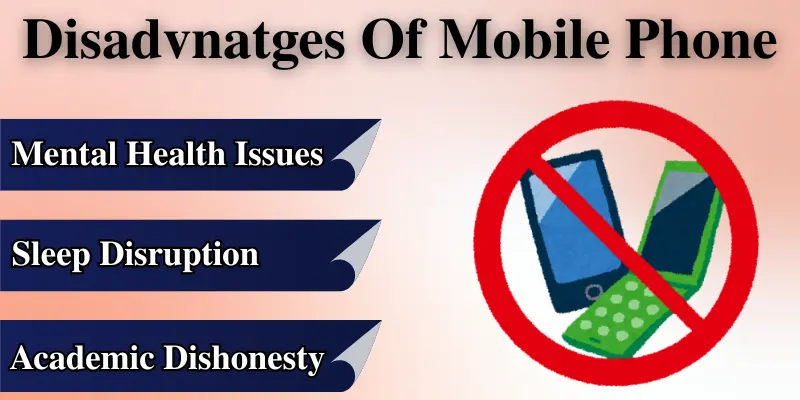
- Distractions and Decreased Focus
- Sleep Disruption
- Mental Health Issues
- Cheating and Academic Dishonesty
- Addiction and Overuse
- Reduced Social Interaction
- Eye Strain and Health Problems
- Privacy and Security Risks
- Financial Costs
- Environmental Impact
Let us now explore these disadvantages of mobile phones for students in detail.
1. Distractions and Decreased Focus
Mobile phones are full of distractions. With notifications constantly popping up from social media, games, and entertainment apps, it’s hard to stay focused on schoolwork. Students often find themselves checking their phones during class or study sessions, even when they know they should be concentrating. This reduces their ability to focus, leading to lower academic performance.
2. Sleep Disruption
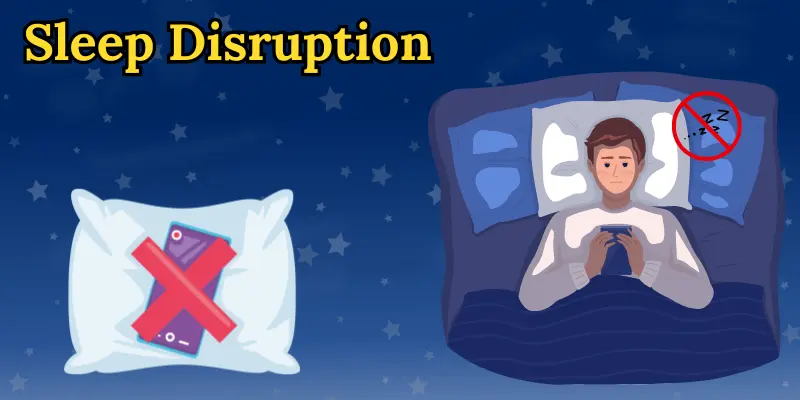
Using a mobile phone before going to bed can disrupt your sleep patterns. Phones emit blue light that can affect the production of melatonin, the hormone that helps you fall asleep. This means students might stay up too late looking at their phones, then feel tired the next day in class, making it difficult to concentrate.
3. Mental Health Issues
Spending too much time on your phone, especially on social media, can impact your mental health. It’s easy to compare yourself to others online, which can lead to feelings of anxiety, depression, or loneliness. Constant pressure to stay connected, along with cyberbullying, can affect a student’s mental health.
Example: Seeing posts about your friends going to a party without you or constantly comparing your life to others can make you feel isolated or stressed out.
4. Cheating and Academic Dishonesty
Mobile phones make it easier to cheat during tests or assignments. With quick access to the internet or messaging apps, students might be tempted to look up answers or ask others for help during an exam. This kind of behavior not only damages your education but can also result in serious consequences like suspension or expulsion from school.
Example: A student might use their phone to search for answers to a test question instead of relying on what they’ve learned.
5. Addiction and Overuse
Mobile phones can become addictive. Many students spend too much time on social media, playing games, or watching videos, which can detract from important activities like studying, spending time with family, or getting outside.
Example: You could spend hours playing a mobile game, and forget that you still have homework or that it’s time to meet a friend.
6. Reduced Social Interaction
When students spend too much time on their phones, they miss out on real-life social interactions. Instead of talking to friends face-to-face, they might communicate mostly through text or social media. This can result in weaker communication skills and a sense of isolation.
Example: Instead of meeting your friends in person, you might prefer chatting on your phone, which can make your friendships feel less personal and more distant.
7. Eye Strain and Physical Health Issues
Staring at a phone screen for too long can cause eye strain, headaches, and neck pain. Students who spend more time on their phones are more likely to suffer these physical difficulties. Over time, this might cause discomfort and bad posture.
8. Privacy and Security Risks
Mobile phones store a lot of personal information, such as messages, photos, and contact details. Without proper security, students could be at risk of hacking or identity theft. It’s important to protect your personal data and stay aware of online safety.
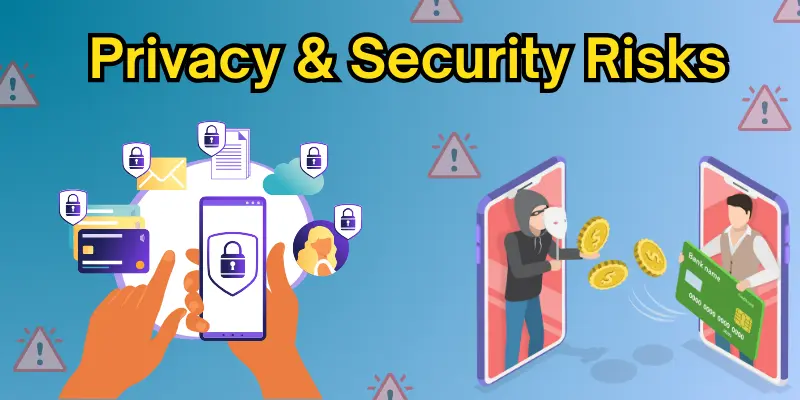
Example: If your phone is hacked or your information is stolen, someone could use it to represent you or cause harm in other ways, such as making fake purchases.
9. Financial Costs
Having a cell phone can be expensive. Students have to pay for the phone, data plans, apps, and accessories. For some, these costs can put pressure on their family’s budget.
Example: A student might need to ask their parents to pay for a new phone or a monthly data plan, which can be tough on family finances, especially for expensive phones.
10. Environmental Impact
The production and disposal of mobile phones contribute to electronic waste (e-waste), which has a negative impact on the environment. Phones are made from rare materials and require energy to produce. If not recycled properly, they can pollute the environment and cause long-term damage.
How to Use Mobile Phones Responsibly
While mobile phones offer numerous benefits, it’s important for students to use them responsibly to avoid potential drawbacks. Here are a few tips:
- Set screen time limits: Use built-in settings or third-party apps to monitor and limit mobile phone usage.
- Make a study area free of phones: Put your phone away during study sessions or classes to avoid distractions.
- Use educational apps: Focus on apps that help in learning and productivity rather than entertainment.
- Prioritize face-to-face interactions: Spend quality time with family and friends without the distraction of phones.
- Practice online safety: Be mindful of the information shared online and make sure privacy settings are activated
Interesting Facts About Mobile Phones Every Student Should Know
Here are some interesting facts about the cell phone journey and its impact!
- The first-ever mobile phone call was made in 1973 by Martin Cooper, a Motorola executive.
- There are more mobile phones in the world than people, with over 8 billion devices in circulation.
- The most expensive phone ever sold was the Falcon Supernova iPhone 6 Pink Diamond, which cost $48.5 million.
- The average person checks their phone over 150 times a day.
- Nokia’s 3310 is one of the most iconic and durable phones ever made, known for its legendary battery life.
- The first smartphone was IBM’s Simon, released in 1994, featuring a touchscreen and apps.
- Mobile phones contain more bacteria than a toilet seat—about 18 times more.
- The world’s first SMS message was sent in 1992, reading “Merry Christmas”.
- Japan introduced the first camera phone in 1999, revolutionizing mobile photography.
- The fastest-growing mobile market is India, with millions of new users every year.
Conclusion
Mobile phones are an important part of student life. They offer benefits like learning support, easy communication, and safety, but also bring challenges such as distraction and health risks. The key is balance. When used responsibly, mobile phones offer opportunities for growth, learning, and connection. However, overuse can harm studies and well-being.
The smart choice for students is not avoiding phones but using them wisely—setting limits, focusing on learning, and maintaining real-life connections to make phones a powerful tool for success.
What’s your experience with mobile phones as a student? How do you balance their use? Share your thoughts in the comments below!
Frequently Asked Questions (FAQs)
Here are the answers to some common questions about the advantages and disadvantages of mobile phones:
Students can set specific time limits for phone use, making sure they don’t get distracted during study hours. It’s helpful to create a study schedule and put the phone away during focus time. Using apps to manage screen time or setting up phone-free study zones can also help you stay focused and productive.
Mobile phones are useful, but can also have drawbacks. Here are five disadvantages to keep in mind.
- Phones can distract you from studies or important tasks.
- The blue light from screens can affect your sleep patterns.
- Excessive use, especially of social media, can lead to anxiety and stress.
- Phones can become addictive if used excessively.
- Without proper security, personal information can be at risk of being stolen or hacked.
Mobile phones offer more than just calls and texts. Here are five ways they can help students daily.
- Communication: Use your phone for calls, texts, and video chats to stay connected.
- Learning: Access e-books, educational apps, and online courses to enhance your studies.
- Productivity: Manage your time with reminders, calendars, and to-do lists.
- Entertainment: Enjoy videos, games, and music for relaxation during breaks.
- Navigation: Find your way easily with GPS and maps on your phone.
Absolutely! Many apps and websites offer interactive learning tools, from math practice to language learning. Students can use their phones to watch educational videos, access online courses, and study on the go.




- Be Respectful
- Stay Relevant
- Stay Positive
- True Feedback
- Encourage Discussion
- Avoid Spamming
- No Fake News
- Don't Copy-Paste
- No Personal Attacks
- Be Respectful
- Stay Relevant
- Stay Positive
- True Feedback
- Encourage Discussion
- Avoid Spamming
- No Fake News
- Don't Copy-Paste
- No Personal Attacks
